
Nutrition5 min read
Creatine and Glutamine: A Clear Guide for Cancer Nutrition and Recovery
Dr. Vrundali Kannoth
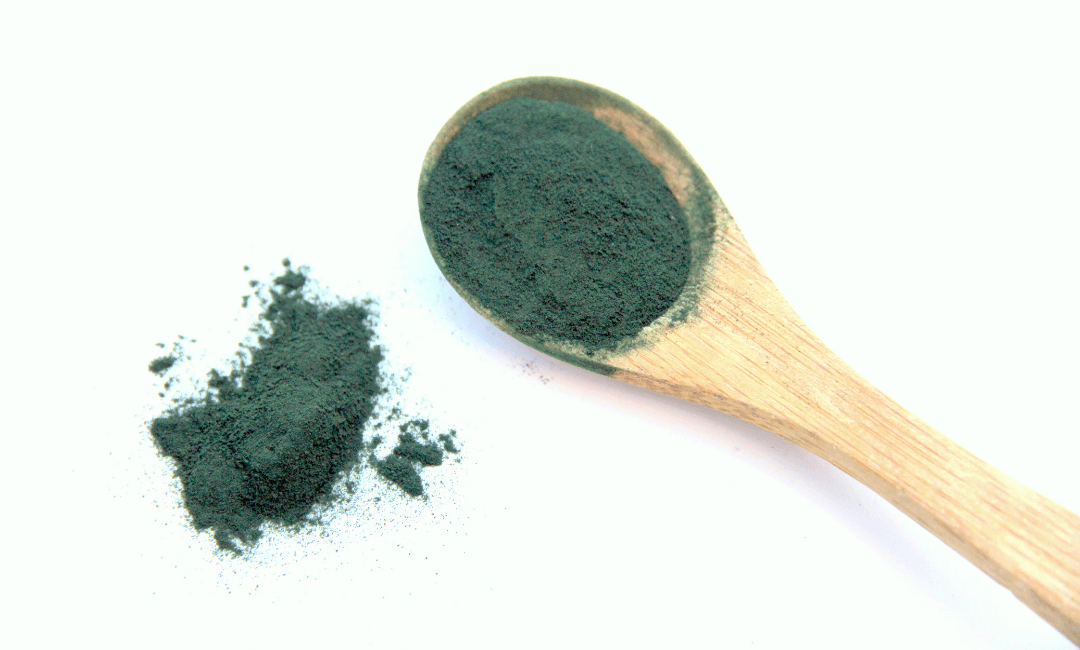
Spirulina powder is a nutrient-dense blue-green algae supplement that is often used to support overall wellness, energy, and micronutrient intake. In cancer nutrition, it may be discussed as a supportive food, but it should never be viewed as a replacement for oncology care, prescribed treatment, or a structured Diet for Cancer Patients.
Spirulina powder is made from Arthrospira, a type of cyanobacteria often called blue-green algae. It is dried and ground into a fine green powder, which is why many people use it as a plant-based supplement in smoothies, juices, energy balls, or simple drinks.
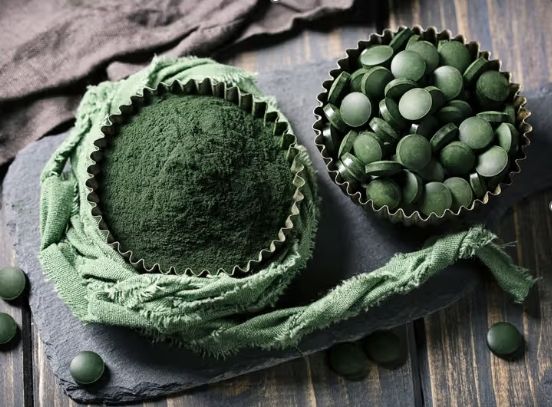
Because spirulina powder is concentrated, even a small amount can provide protein, pigments, and trace minerals. That is one reason why spirulina powder benefits are often discussed in wellness, fitness, and oncology nutrition settings.
When people ask what is spirulina powder made from, the answer is usually cultivated spirulina biomass that has been harvested, cleaned, dried, and milled into powder. High-quality products are typically grown in controlled environments to reduce contamination risk.
This matters because the purity of spirulina powder nutritional information depends heavily on how it is sourced and processed. For cancer patients and people with weakened immunity, quality and third-party testing are especially important.
Spirulina powder nutrition facts vary by brand, but it is commonly valued for its protein and micronutrient content. A typical serving is small, yet nutrient-dense.
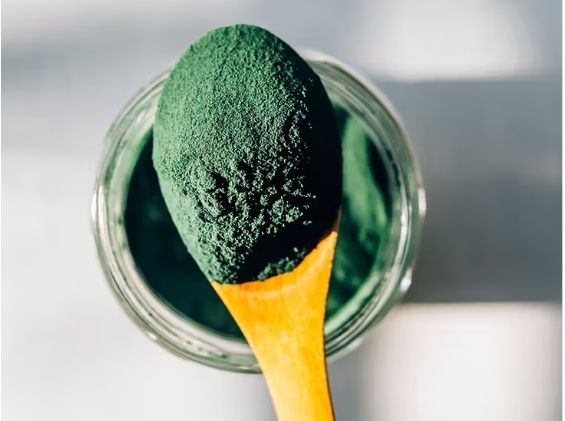
These spirulina powder nutrition facts make it appealing for people looking for a concentrated supplement, especially when food intake is reduced. Still, it is best used as part of a balanced eating plan rather than as a standalone solution.
Spirulina powder benefits are most often linked to its nutrient density and antioxidant compounds. It may help support general wellness in several ways.
When people search for health benefits of spirulina powder, they are often looking for practical support such as energy, nourishment, and easier nutrition coverage. In oncology nutrition, those goals matter because poor appetite, taste changes, and treatment side effects can make eating difficult.
Spirulina powder uses are flexible, which is one reason it is popular. It can be mixed into food or beverages in small amounts.
Because the flavor can be strong, many people start with a small amount and build up gradually. This makes it easier to learn how to use spirulina powder in a way that is tolerable and consistent.
If you are wondering how to consume spirulina powder or how to take spirulina powder, the best approach is usually to start low and go slowly. Many adults begin with 1 teaspoon or less and adjust based on taste and tolerance.
Mix it with sweet or strongly flavored foods to mask the taste.
Take it with meals if it causes stomach discomfort.
Use it consistently rather than in large occasional doses.
Check the label for serving size and purity testing.
For anyone asking how much spirulina powder per day, the right amount depends on the product, the reason for use, and personal tolerance. Spirulina powder dosage for adults is best guided by the label and a clinician, especially in cancer care or if you already take other supplements.
Spirulina powder side effects are usually mild for many people, but they can occur. Digestive upset, nausea, bloating, or a bad aftertaste are among the most common complaints.
Because spirulina powder benefits and side effects vary by person, it is wise to treat it like a genuine supplement rather than a harmless food additive. This is especially true for people receiving cancer treatment.
Spirulina powder for cancer is best discussed as a supportive nutrition option, not a treatment. It may be considered by oncology doctors and oncology nutrition teams when they are building a plan to improve nutrient intake, appetite support, or overall dietary quality.
In cancer nutrition, small, nutrient-dense additions can sometimes help patients who struggle to eat enough. That said, spirulina powder for cancer should be reviewed with the care team because individual needs differ during chemotherapy, radiation, surgery recovery, and survivorship.
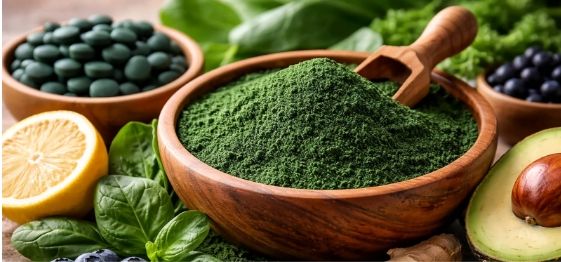
For patients navigating cancer and food habits, the best supplement is usually the one that fits the treatment plan, digestion, and safety profile. If you are considering spirulina alongside other supportive strategies, speak with your oncology nutrition team before making it a daily habit.
When buying spirulina powder, quality matters as much as quantity. Look for brands that provide third-party testing for heavy metals, microbes, and contaminants.
This is particularly important if the powder will be used as part of a broader Antioxidant Supplements routine or in a Diet for Cancer Patients plan. Safer sourcing helps reduce unnecessary risk while still allowing you to explore its potential nutritional benefits.
Not always. Powder is more flexible for mixing into food, while tablets are more convenient and easier to measure.
Yes, but timing and combinations matter. If you take medications or multiple supplements, ask a clinician to avoid overlap or unwanted interactions.
Yes. Spirulina is commonly used by vegetarians and vegans because it is plant-based and provides protein and micronutrients.
It may contribute some iron to the diet, but it should not be relied on as the only way to correct iron deficiency. If you have low iron or anemia, talk to your doctor.
Store it in a cool, dry place away from heat, light, and moisture. Always close the container tightly after use.
People with autoimmune disease, phenylketonuria, or those who are pregnant, immunocompromised, or taking blood-thinning or immunosuppressive medicines should check with a doctor first.