
Nutrition5 min read
Spirulina Biotic Powder: Benefits, Nutrition Facts and Its Role in Cancer Nutrition
Dr. Vrundali Kannoth

Chromium picolinate may come up when people are looking for support with blood sugar, metabolism, or general wellness during cancer care. That interest is understandable, but supplements are not always simple.
Chromium is a trace mineral involved in carbohydrate, fat, and protein metabolism, and chromium picolinate is one common supplement form.
It is often discussed for glucose metabolism, but supplement decisions should be guided by evidence, medicines and treatment needs.
This guide looks at possible benefits, safety concerns and how it may fit into oncology nutrition discussions. It should not be used as a cancer treatment or a replacement for prescribed care.
It is a supplement form of chromium, where chromium is bound with picolinic acid.
Chromium itself is a trace mineral, meaning the body needs it in very small amounts. In nutrition, chromium refers to trivalent chromium, also called chromium III.
This is different from hexavalent chromium, or chromium VI, which is a toxic industrial form and not used for nutrition.
Chromium is found naturally in small amounts in foods and is also available in supplement forms. Picolinate is one of the commonly used forms of chromium because picolinic acid helps bind chromium into a stable supplement compound.
The supplement’s benefits are mostly discussed in relation to metabolic wellness. Chromium has a role in how the body handles carbohydrates, fats and proteins, which is why it is often studied for glucose and lipid metabolism.
However, the health benefits of chromium picolinate are not guaranteed, and research findings remain inconsistent. Some studies suggest chromium may help with blood sugar control, but NCCIH notes that the overall evidence is weak.

This means it should not be used as a replacement for diabetes medicines, dietary advice, or prescribed care. The main chromium picolinate uses may include:
Chromium is sometimes marketed for weight management, but observed effects appear small and may not be clinically meaningful. It should not be used to manage cancer-related weight changes, as these need specialist nutritional support.
The compound is mainly studied for its relationship with insulin signalling and normal nutrient metabolism. Insulin helps move glucose from the blood into cells, where it can be used for energy.
The Office of Dietary Supplements notes that chromium may interact with a molecule called chromodulin. This may help activate insulin receptors, although the exact mechanism is not fully established.
In addition, Memorial Sloan Kettering describes chromium as involved in glucose and lipid metabolism, circulating insulin levels and peripheral insulin activity. This points to a possible role in normal metabolic processes.
It does not mean chromium controls blood sugar or treats diabetes.
For this reason, chromium picolinate effects should be described carefully. They may relate to metabolism and insulin activity, but they are not guaranteed and should not be linked with improved cancer outcomes.
There is no reliable evidence that dietary supplements can prevent, cure or control cancer growth.

Cancer Research UK advises checking supplements with the healthcare team, as some may interfere with cancer treatment. Memorial Sloan Kettering similarly advises people to tell healthcare providers about any dietary supplements they take, including herbs, vitamins, minerals and natural remedies.
This helps the care team review possible interactions with medicines and treatment plans.
This discussion may come up when a person has diabetes, steroid-related blood sugar changes, appetite changes, or wider metabolic concerns during treatment. Even in these situations, oncology nutrition guidance is needed before taking any supplement.
Searches around foods that prevent cancer or supplements for cancer weight loss can be misleading. No single food or supplement can prevent cancer and cancer-related weight changes need personalised nutritional care.
This is why supplement decisions during cancer care should be discussed with an oncologist and/or oncology dietitian. They can help assess whether it fits safely with current treatment, medicines and nutrition needs.
Most chromium picolinate sources are supplement based, while foods offer chromium naturally in smaller quantities.

Food sources of chromium include:
However, the chromium content in food can vary because of soil, farming methods, processing and preparation. Supplement forms of chromium may include:
Among these, chromium picolinate is one of the commonly discussed options for metabolic wellness.
In cancer care, a food-first approach is usually safer unless an oncologist or oncology dietitian recommends supplementation. Cancer Research UK notes that a balanced diet with varied foods is preferable to relying on supplements where possible.
The supplement’s sources should also be reviewed alongside other supplement questions. Magnesium glycinate, lycopene supplement and vitamin C supplement may need separate care-team guidance before use.
The dosage should depend on age, health status, medications, and the clinician's advice. There is no recommended dietary allowance for chromium.

Instead, the Office of Dietary Supplements lists adequate intake values. For adults, these include:
| Age | Male | Female | Pregnancy | Lactation |
|---|---|---|---|---|
| Birth to 6 months | 0.2 mcg | 0.2 mcg | ||
| 7–12 months | 5.5 mcg | 5.5 mcg | ||
| 1–3 years | 11 mcg | 11 mcg | ||
| 4–8 years | 15 mcg | 15 mcg | ||
| 9–13 years | 25 mcg | 21 mcg | ||
| 14–18 years | 35 mcg | 24 mcg | 29 mcg | 44 mcg |
| 19–50 years | 35 mcg | 25 mcg | 30 mcg | 45 mcg |
| 51+ years | 30 mcg | 20 mcg |
Chromium-only supplements may provide much higher amounts than these daily intake values. For this reason, self-starting high doses is not advised, especially during cancer care.
There is no universal best time to take chromium picolinate. Timing should depend on meals, tolerance and current medicines.
Dose decisions are safest when reviewed by an oncologist or oncology nutritionist.
Saying chromium picolinate is safe for everyone would be too broad. It may be suitable for some adults when used appropriately, but it is not right for everyone.
The Office of Dietary Supplements notes that no tolerable upper intake level has been established for chromium, partly because serious adverse effects are rarely reported. However, it also advises caution with high supplemental intake because safety data are limited.
Extra caution is needed for people taking insulin or anti-diabetes medicines, as chromium may increase the risk of low blood sugar.
People taking levothyroxine also need spacing guidance. This is because Memorial Sloan Kettering notes that chromium picolinate may reduce the bioavailability of levothyroxine, so these products should not be taken together.
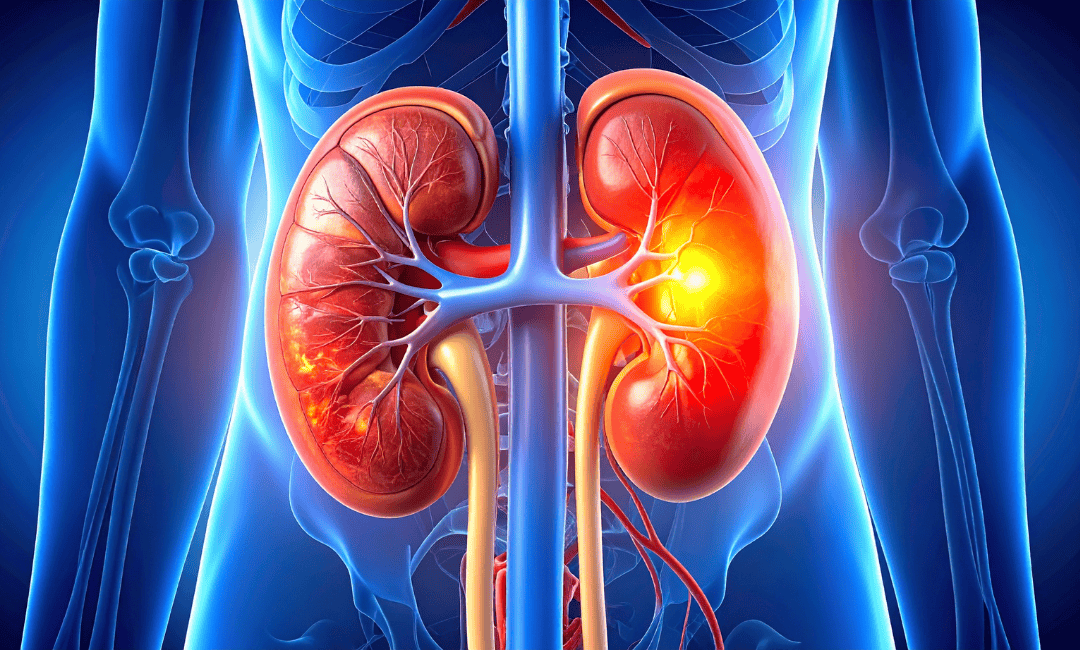
People with kidney disease, liver disease or active cancer treatment should speak with an oncologist or care team first. MSKCC flags liver and kidney concerns in relation to chromium supplements.
Common chromium picolinate side effects may include:
More serious concerns are uncommon but have been reported.
The Office of Dietary Supplements mentions case reports involving:
Stop use and seek medical advice if new symptoms appear after starting a supplement, especially during active treatment.
Chromium picolinate may belong in a wider discussion about metabolic health, especially when blood sugar, medicines or treatment-related changes are already part of care. It is not a cancer treatment.
Its possible benefits should be weighed against safety needs, thyroid medicines, diabetes medicines, kidney concerns and liver concerns. If supplement choices feel unclear during cancer care, Everhope Oncology can help review what may be suitable.
Speak with our expert oncology nutritionists for guidance that fits the treatment plan.
Chromium picolinate is not an energy booster, but it may support normal nutrient metabolism.
Long-term use should be guided by an oncologist or care team, especially with diabetes, thyroid, kidney, or liver concerns.
Check the dose, added ingredients, quality testing and possible medication interactions before choosing a supplement.
Chromium is found in small amounts in meats, whole grains, fruits, vegetables, nuts, spices and brewer’s yeast.
Chromium deficiency is rare, but possible signs may include poor blood sugar control, fatigue, weight loss, or nerve-related symptoms.