Nutrition5 min read
Spirulina Biotic Powder: Benefits, Nutrition Facts and Its Role in Cancer Nutrition
Dr. Vrundali Kannoth
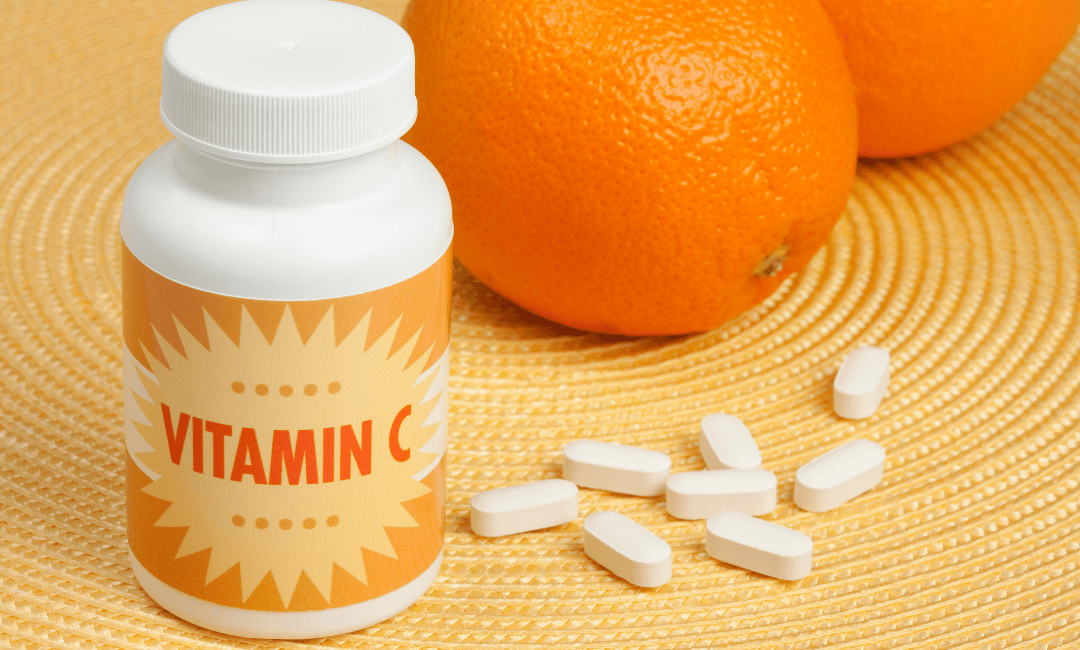
Cancer recovery asks a great deal of the body, and small choices around nutrition matter more than people realise. One such option is a vitamin C supplement. Patients and families often wonder if it can support healing, reduce burden on the body, and work safely alongside treatment.
The answer is yes; when used thoughtfully and under an oncologist’s guidance, a vitamin C supplement can play a gentle, supportive role in recovery.
Vitamin C is one of the most studied nutrients in medicine. The National Institutes of Health recommends intakes between 75 mg and 120 mg a day, a small amount with a great role in the body.
This article walks through what this supplement is, how it works, its benefits during recovery, the forms available, safe dosage, and the side effects worth keeping in mind.
Vitamin C supplement are available at the Everhope store — reviewed for use during cancer care.
A lot of people wonder what vitamin C supplement is in simple terms. It is a concentrated form of ascorbic acid meant to help people meet their daily needs when food alone isn’t enough.
During cancer treatment, appetite changes, taste shifts, and digestive discomfort can make eating well harder, and a vitamin C supplement fills this gap.
These supplements come in:
Some forms have simple ascorbic acid, while others are buffered with minerals like sodium or calcium to be gentler on the stomach.
The vitamin C supplement uses range from supporting the immune system and helping wounds heal to improving iron absorption from plant-based meals.
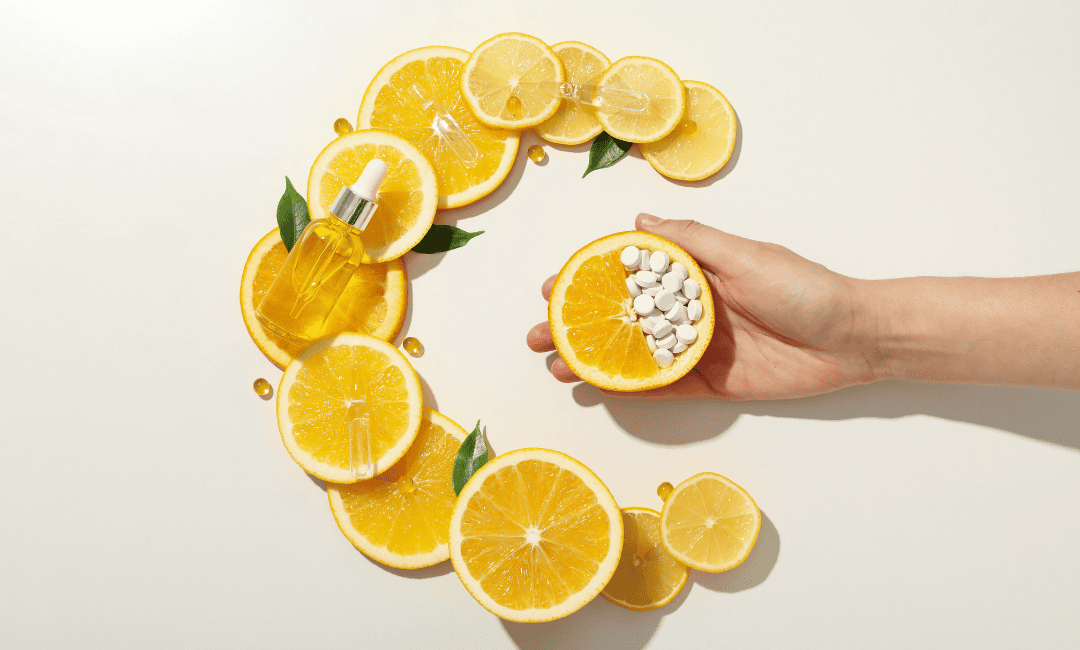
People also turn to it during stress, recovery from infection, or alongside therapies that raise the nutritional demands, areas often covered in oncology nutrition plans.
Among the most common vitamin C supplement uses during recovery is simply filling the gap when meals are smaller.
Vitamin C is water-soluble. Once absorbed, it spreads to nearly every tissue, supporting repair, defence and protection at the cellular level.
Here is how it works:
A vitamin C supplement strengthens both the front-line and the deeper layers of immune defence.
As per the NIH Office of Dietary Supplements, it accumulates in white blood cells at concentrations higher than in plasma, helping them respond effectively to infection. For someone going through cancer treatment, this background support can be reassuring.
Collagen is the protein that holds skin, blood vessels, and connective tissue together. Vitamin C is essential for its production.
After surgery, biopsies, or radiation, the body needs more collagen to rebuild; one reason adequate intake is linked with better wound healing.
Cancer and its treatments can raise oxidative stress, where unstable molecules called free radicals damage healthy cells.
Vitamin C is a powerful antioxidant. It neutralises these molecules and helps regenerate other antioxidants like vitamin E, working as part of the body’s wider defence system.
The health benefits of vitamin C supplements stretch beyond the territory of immunity.
For someone in recovery, the vitamin C supplement benefits are at the intersection of small daily gains like better energy, smoother healing, and calmer digestion.
Expect these benefits with supplementation:
Iron deficiency is common during cancer care, particularly for patients dealing with cancer weight loss or reduced food intake.
Vitamin C converts plant-based iron into a form the body absorbs far more readily. This is especially valuable for those leaning on vegetarian sources during treatment.
Sore mouths, dry skin, and slow-healing cuts are common during chemotherapy. Vitamin C's role in collagen production means it gently supports the tissues most affected by these side effects.
Low vitamin C levels are linked with fatigue and low mood. A vitamin C supplement is not a treatment for either, but ensuring adequate intake removes one possible contributor.
Beyond cancer recovery, the broader vitamin C supplement benefits include support for blood vessel health, healthy ageing and protection against cellular damage.
These systems matter during treatment since the body draws on every reserve it has.
Research suggests vitamin C supplementation may support the body during cancer treatment. Some patients with advanced cancer receive high-dose intravenous vitamin C under medical supervision.

A randomised phase 2 trial found that adding it to chemotherapy doubled overall survival in patients with metastatic pancreatic cancer, from 8 months to 16.
These findings apply to intravenous vitamin C administered to carefully selected patients. A conversation with your oncologist matters before any high-dose regimen.
For those wondering how to take vitamin C supplements, there are many forms of supplements available. Some are gentler on the stomach, some are easier to swallow, and some are reserved for clinical use.
The table below offers an overview:
| Form | What it is | Best for |
|---|---|---|
| Tablets and capsules | Standard pressed or encapsulated ascorbic acid | Everyday maintenance, easy to dose |
| Chewables | Flavoured, lower-dose tablets | Patients with swallowing difficulty |
| Effervescent powders | Dissolve in water for a fizzy drink | Those who dislike pills; mild dehydration support |
| Liquids and syrups | Liquid ascorbic acid | Children, older adults, post-surgical patients |
| Buffered (mineral ascorbates) | Ascorbic acid bound to calcium, sodium, or magnesium | Sensitive stomachs, those with reflux |
| Liposomal vitamin C | Wrapped in fat-like vesicles for better absorption | Higher oral doses without GI upset |
| Intravenous (IV) vitamin C | Given by drip in a clinical setting | Specific supportive-care protocols, under oncologist supervision |
The right amount of supplementation depends on age, sex, smoking status, and the reason behind taking it. The numbers below offer a starting frame, but your oncologist will always be the right person to confirm what suits you:
The NIH recommends 90 mg and 75 mg per day for adult men and women respectively. Smokers need an additional 35 mg daily.
Pregnant and breastfeeding women have slightly higher needs, around 85 mg and 120 mg, respectively.

There is no single vitamin C supplement dosage for people in recovery. Many oncologists support a modest daily intake when food intake is reduced.
Split larger doses across the day rather than taking them all at once, since the body absorbs vitamin C more efficiently in smaller amounts.

PeachX Antioxia Liposomal Glutathione 500mg + Vit C (30 Capsules)
Liposomal glutathione with vitamin C
₹1,599₹1,999
Vitamin C has a strong safety record, and the body excretes what it doesn't need. Even so, here are a few specific considerations:
A vitamin C supplement can interact with certain medications. The NIH notes that high doses may interfere with some chemotherapy and radiation protocols.
Research is still unfolding, and your oncology doctors will know what is safe in your case.
People with kidney disease, a history of kidney stones, haemochromatosis, or glucose-6-phosphate dehydrogenase deficiency need to be careful with high doses.
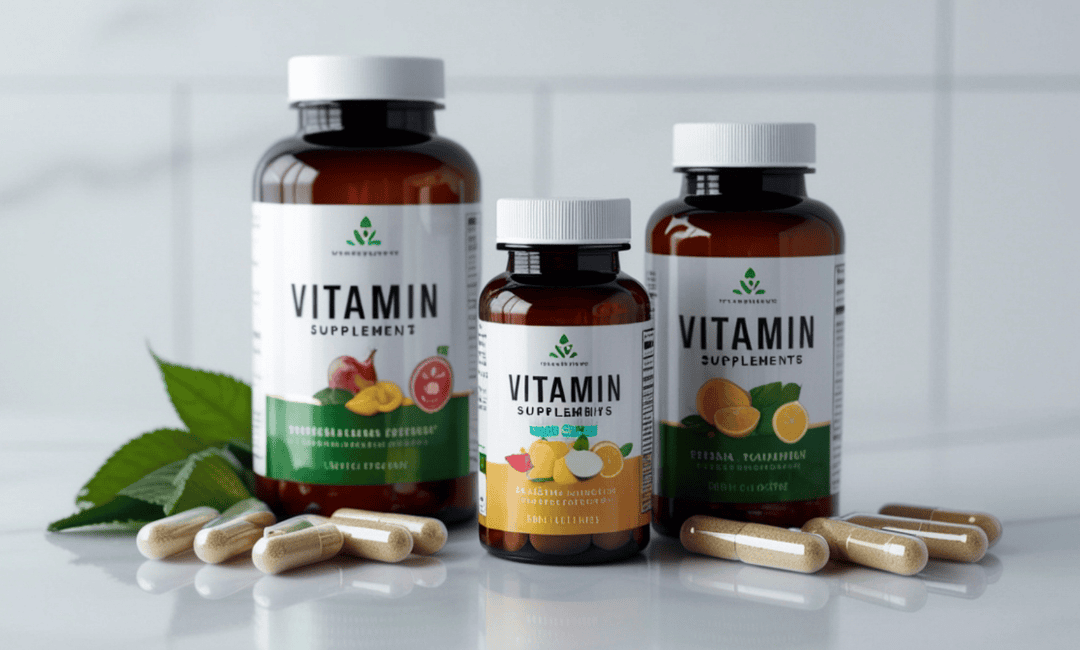
So is it safe to take vitamin C supplements in these situations? Often yes, but only with medical guidance and at lower doses.
The simplest rule during treatment is not to start a new supplement without checking with your oncologist. Even something as familiar as vitamin C requires that conversation.
The most common vitamin C supplement side effects are mild and dose-related. They usually appear when intake exceeds what the body needs.
The table below covers the main side effects:
| Side effect | When it tends to occur |
|---|---|
| Nausea or upset stomach | With high oral doses, especially on an empty stomach |
| Diarrhoea | Doses above 1,000 mg, particularly of plain ascorbic acid |
| Heartburn | In people prone to reflux |
| Headache | Occasionally, at higher intakes |
| Kidney stones | Long-term high-dose use in susceptible individuals |
| Iron overload | In people with haemochromatosis |
Most of these effects are easily managed by lowering the dose, switching to a buffered form, or taking the supplement with food.
The advantages of vitamin C supplements for cancer patient come from their consistency, safety profile, and the way they fit alongside good food rather than replacing it.
Learn to pair your supplement with naturally vitamin-rich meals.
Build a daily rhythm of nourishment, not dependence on a pill. Lastly, revisit your plan with your oncologist as treatment progresses, since the advantages of vitamin C supplements often shift across recovery.
If you'd like to explore nourishment during this time, Everhope’s oncology nutrition team works alongside patients and families to build calm, personalised plans. We cover supplements, foods that prevent cancer, alongside gentle cancer and food habits that make daily eating far easier.
Yes, Vitamin C is essential for collagen production. It is the protein that body uses to repair skin, blood vessels, and connective tissue. Adequate intake supports healing after surgery, biopsies, and other treatment-related wounds.
It can, and quite effectively. Vitamin C converts plant-based iron into a form the body absorbs much more easily. Taking it alongside iron-rich meals improves uptake, which is helpful during cancer-related anaemia.
Yes, Vitamin C is a strong antioxidant that neutralises free radicals. It also helps regenerate other antioxidants, supporting the body’s wider defence system.