
Nutrition5 min read
Spirulina Biotic Powder: Benefits, Nutrition Facts and Its Role in Cancer Nutrition
Dr. Vrundali Kannoth
Not every supplement that sounds helpful is right for every person during cancer care. Nutritional needs can shift during treatment, and choices about food or supplements may require extra review.
Docosahexaenoic acid is a type of omega-3 fatty acid linked to brain, eye, heart, and cell membrane support. It may have a place in supportive nutrition, but it is not a cancer treatment.
This guide explains docosahexaenoic acid DHA benefits, uses, dosage, sources, and safety, along with how docosahexaenoic acid may be discussed during cancer care.
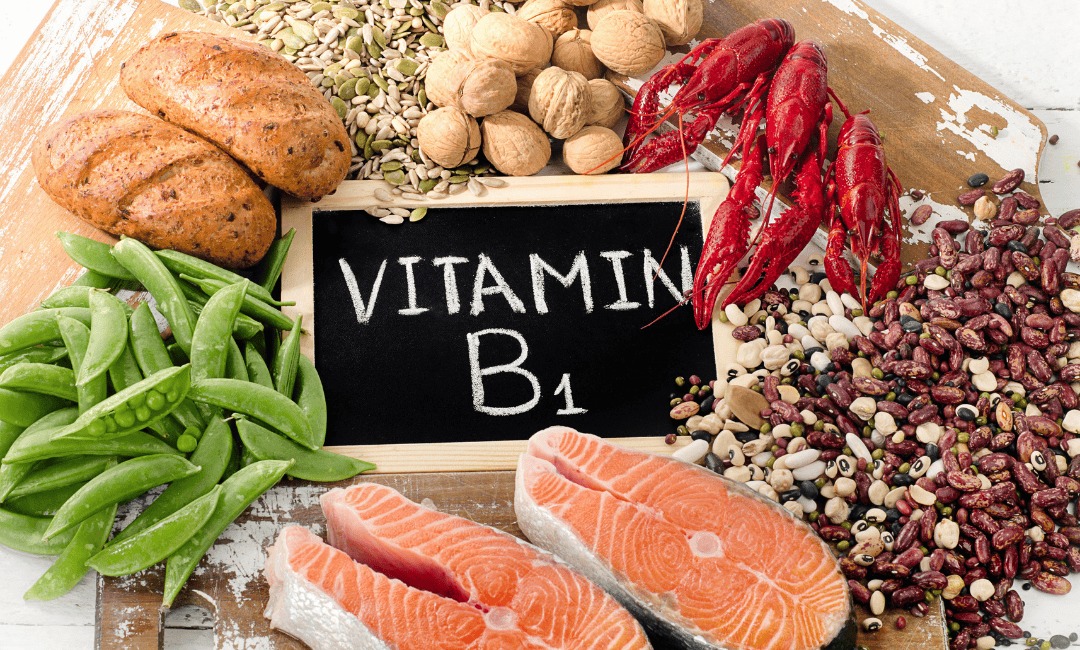
Common food sources include:
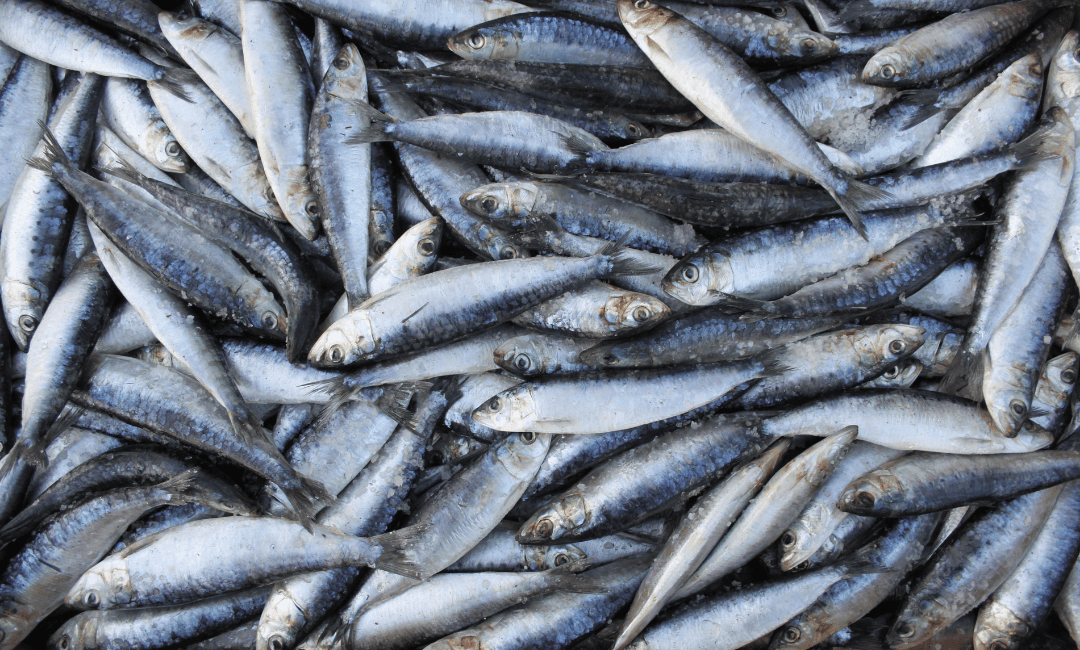
The body can make small amounts of DHA from alpha-linolenic acid, or ALA. ALA comes from plant foods, but this conversion is limited. This means direct intake from foods or supplements is often more practical.
Docosahexaenoic acid are available at the Everhope store — reviewed for use during cancer care.
The docosahexaenoic acid function that’s often discussed is structural support. Omega-3 fats form part of the membranes around cells, helping them stay flexible and responsive.
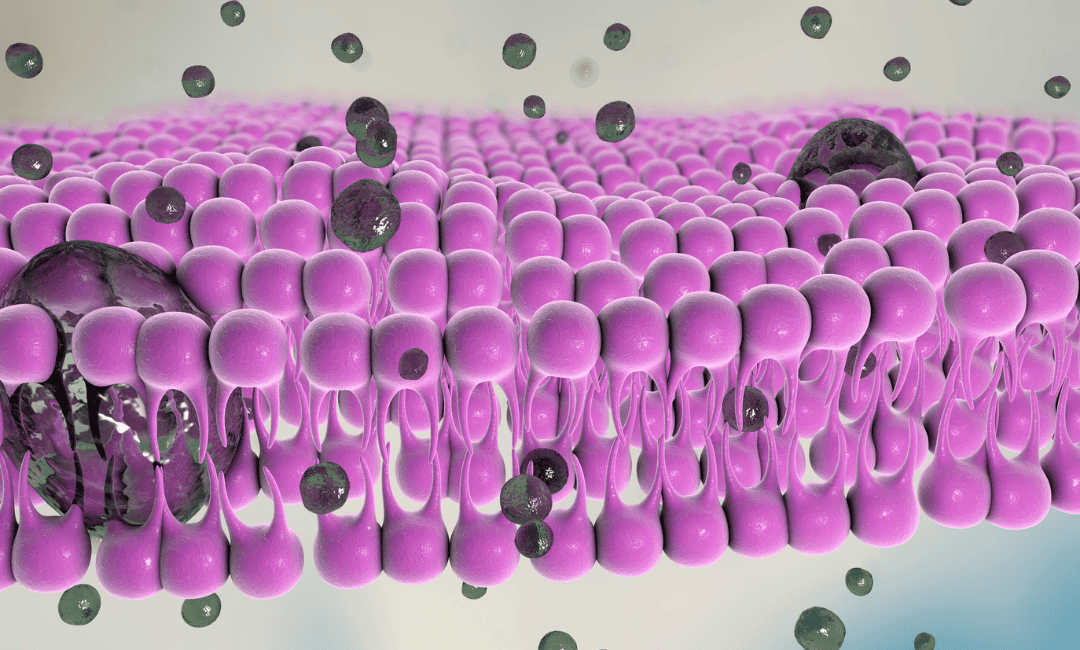
Overall, docosahexaenoic acid benefits are best understood as supportive, not treatment-based. Key areas of support include:
DHA’s benefits depend on the person and their care plan. This matters more when treatment, medicines, or changing food intake are part of daily care.
Docosahexaenoic acid uses often focus on supporting omega-3 intake when food sources are not practical or consistent. This may happen because of taste preferences, dietary restrictions, allergies, limited access to seafood, or treatment-related changes in appetite.
Supplements can be especially practical when food intake is reduced, or meals feel harder to plan.
Docosahexaenoic acid use should be guided by diet, health history, and current treatment plans. An oncology nutrition expert or licensed healthcare professional can help decide whether supplementation is suitable.
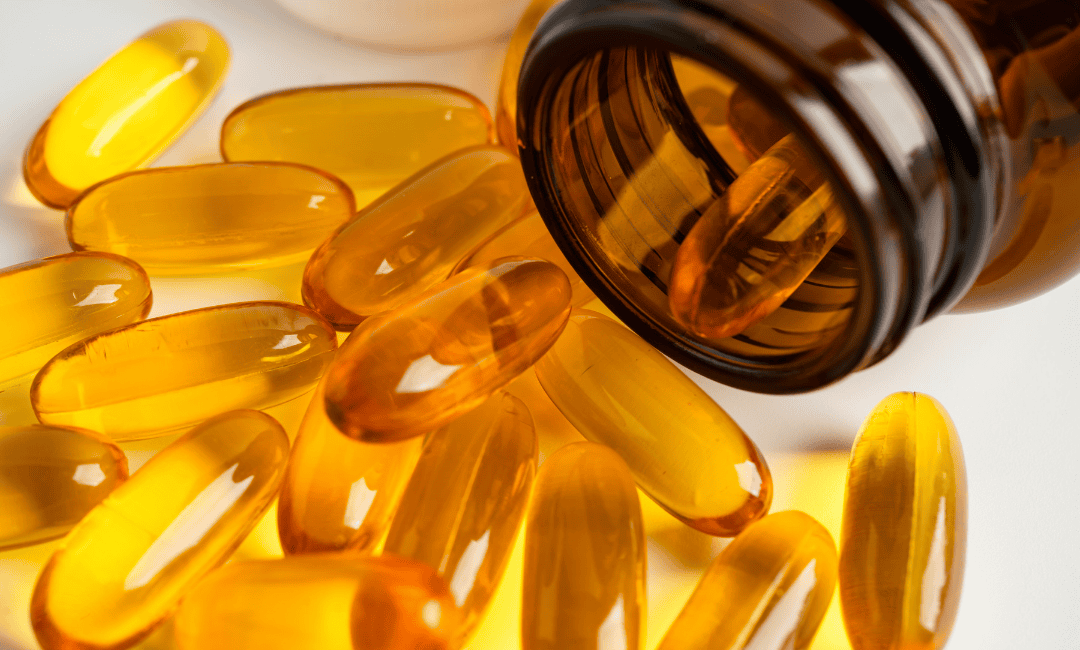
Common docosahexaenoic acid sources used for supplements are:
Algal DHA may suit vegetarian diets or fish-free routines, as it is often plant-based.
One important label check is the actual DHA content. The total fish oil amount is not the same as the DHA amount. For example, a product may list 1,000 mg of fish oil, but the DHA provided may be much lower.
DHA supplements may be considered when regular omega-3 intake is limited, such as for:
Food intake should remain the first consideration where suitable. Supplements may be considered when diet, preference or care needs make regular omega-3 intake difficult.
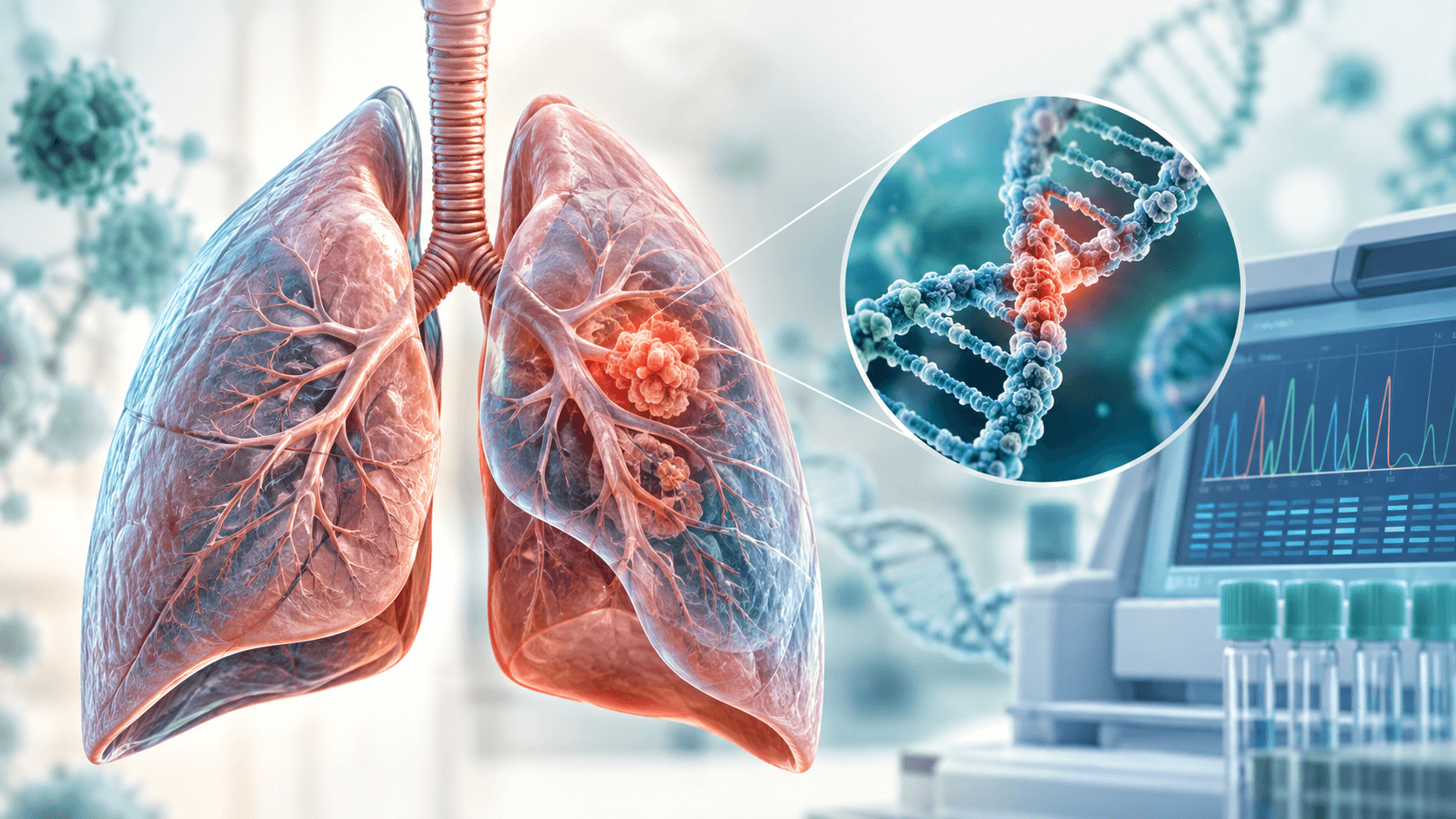
The link between docosahexaenoic acid and cancer is still being studied. At present, research does not support using DHA as a cancer treatment or as a replacement for prescribed care.
Large prevention studies have not shown a clear cancer-prevention benefit from marine omega-3 supplementation. Evidence across observational studies has also been inconsistent.
Some oncology studies have looked at omega-3s in relation to weight, appetite, inflammation markers, treatment tolerance and cancer fatigue. These areas matter because cancer and treatment can affect eating patterns, strength and daily comfort.
Still, these findings are research signals. They do not support starting supplements independently during active care.
Because the evidence on DHA and cancer is still developing, nutrition decisions should be based on the person’s full care picture rather than on general supplement claims.

A diet for cancer patients should reflect personal care needs, including:
The role of omega-3s also connects with immune system and cancer research. Omega-3 fats are involved in immune signalling, but that does not mean DHA improves immunity or changes cancer outcomes.
For this reason, docosahexaenoic acid and cancer should be discussed with an oncologist and/or oncology dietitian. Omega-3 and antioxidant supplements should be reviewed during active treatment.
This is especially important before surgery, chemotherapy, immunotherapy, or blood-thinning medicines.
There is no universal adult RDA specifically for DHA. Dose depends on diet, medical history, treatment plan, and product strength.

Before choosing a DHA product, consider the following:
Docosahexaenoic acid side effects are usually mild and often affect digestion. They may be more noticeable with higher doses, fish oil products, or supplements taken without food.
Common docosahexaenoic acid side effects may include:

Higher intakes of EPA and DHA may increase bleeding time. High-dose omega-3 use has also been linked with a slightly higher risk of atrial fibrillation in some people with cardiovascular disease or high cardiovascular risk.
Who should be cautious when taking DHA:
DHA can be part of a nutrition discussion, but it should be reviewed in the context of ongoing treatment, medicines, symptoms and current food intake. This is especially important during chemotherapy, radiotherapy, surgery planning or when blood-thinning medicines are involved.
If DHA or any supplement feels difficult to judge during cancer care, Everhope Oncology can help you understand what is safe and suitable. Speak with our expert oncology nutritionists for guidance that fits the treatment plan.
Yes, DHA supplements are commonly taken with meals if the product label allows it. Taking them with food may reduce fishy aftertaste, reflux, or stomach discomfort.
Algae-based DHA supplements can provide DHA without fish oil. They may suit vegetarian or fish-free diets, but the label should confirm the actual DHA amount.
Long-term DHA use depends on dose, diet, medical history, and current treatment plan. People in cancer care should ask an oncologist before using DHA regularly.
People with bleeding disorders, fish or shellfish allergy, planned surgery, or blood thinner use should seek guidance first. People receiving active cancer treatment should also check with an oncologist.
DHA may cause fishy aftertaste, reflux, nausea, diarrhoea, headache, or stomach discomfort. Higher doses may need caution because omega-3s can affect bleeding time in some people.