
+918929672099
Call Us
Understanding Cancer Stem Cells and Their Role in Cancer
Dr. Vrundali Kannoth|5 min read|
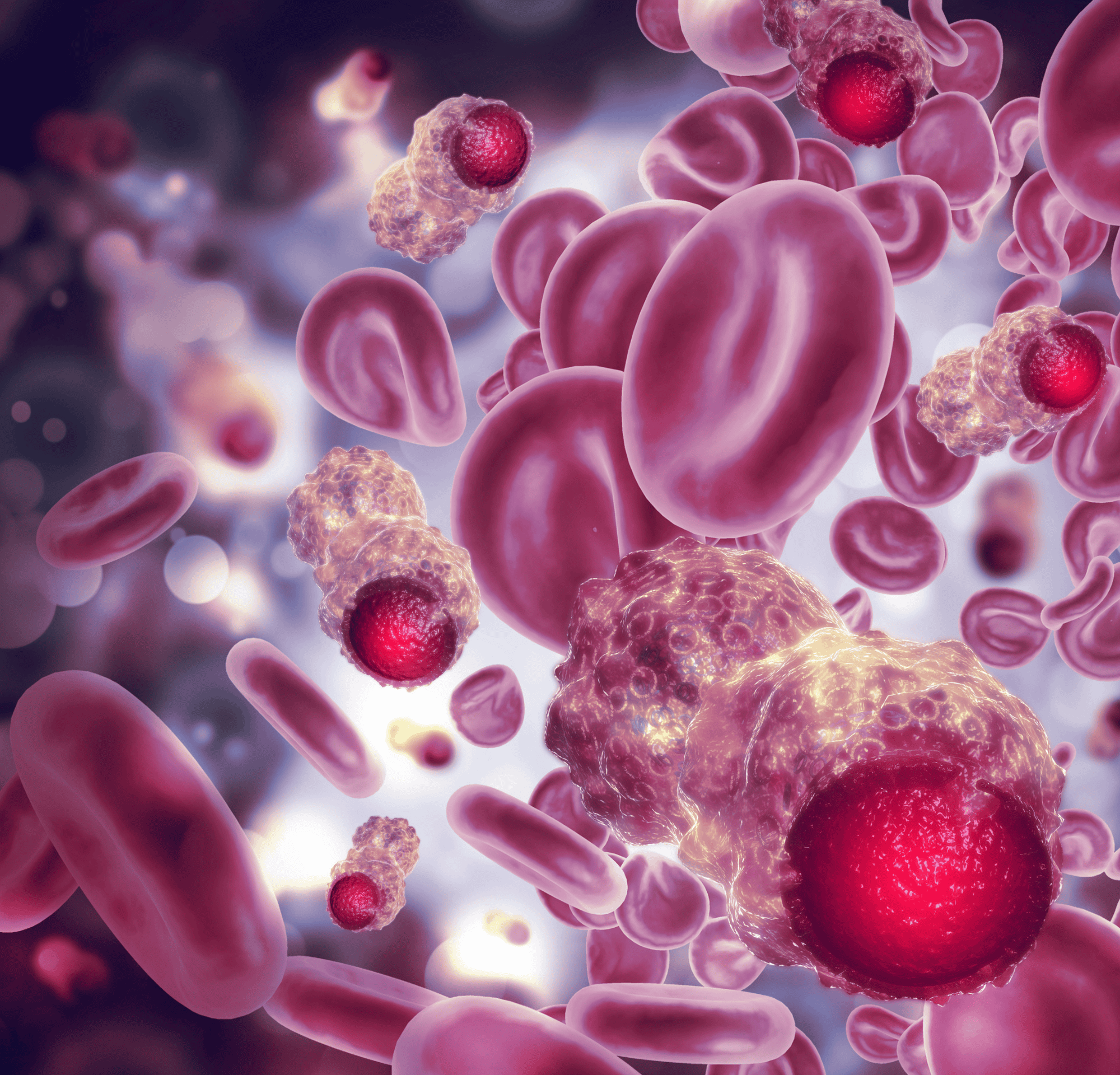
Cancer is not made up of a single type of cell. Within a tumour, there can be different groups of cells that behave differently.
Some grow quickly, while others may stay quiet for a time and become active later. This variation can influence how cancer develops and responds to treatment.
Among these cells, researchers have identified a small group called cancer stem cells. These cells may play a key role in how cancer grows and returns.
In this guide, we will look at their definition, how they may arise, their properties, and their role in cancer progression.
What are cancer stem cells?
Understanding the cancer stem cells definition can help explain how some cancers behave.
These are a small group of cells within a tumour that can produce more of their kind. They can also give rise to other cancer cells, which helps support tumour growth.
Researchers are still studying how these cells behave across different cancers.
You might be curious, “Are cancer stem cells real?” Currently, evidence supports their presence in several cancer types, though their role can vary.
This idea helps explain recurrence and treatment resistance. Unlike most tumour cells, these cells may keep the cancer going for longer.
It also helps to compare stem cells and cancer stem cells. Both share some growth abilities, but the latter are not regulated in the same way.
To better understand these differences, researchers often study these cells in controlled settings. For example, they may use a cancer stem cell line to study how these cells behave.
How do cancer stem cells arise?
The origin of cancer stem cells is still under scientific study. Researchers continue to explore how they arise across different types of cancer.
Current evidence suggests that there is no single pathway, and the process may vary depending on the tumour and its environment.
Genetic changes and mutations
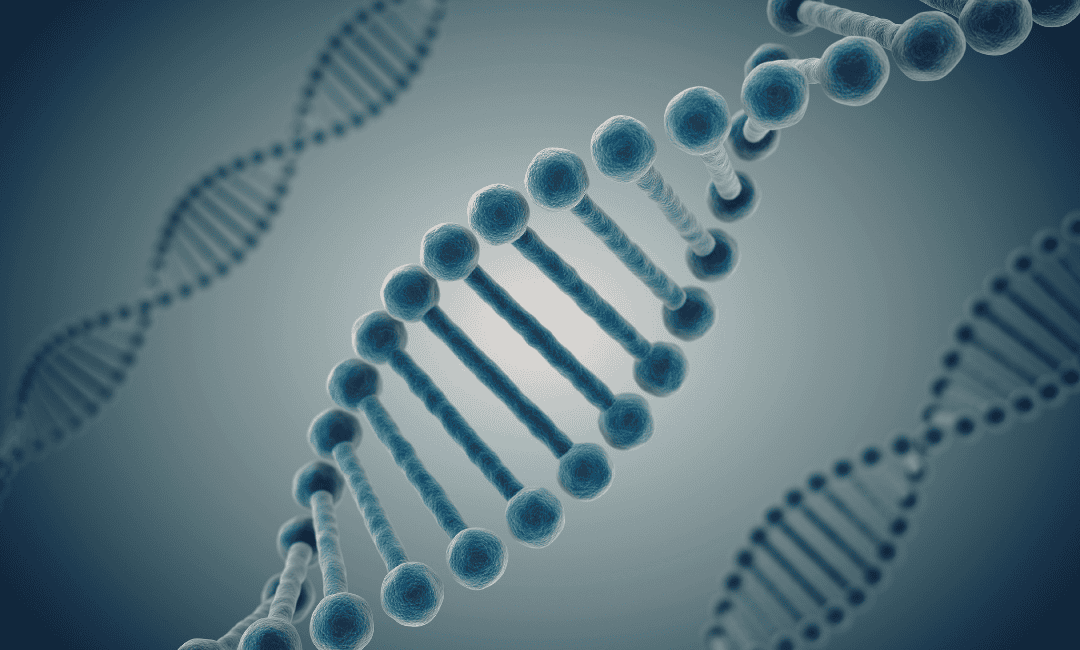
A possible pathway involves genetic mutation cancer, where changes in DNA affect how cells grow and divide. These changes may compound over time due to factors linked to what causes cancer, such as environmental exposures, random errors during cell division, or inherited traits.
Over time, these changes can affect key pathways that control cell renewal and survival. This may allow certain cells to gain stem-like behaviour and continue growing beyond normal limits.
Transformation of normal stem cells
In some cases, normal stem cells may undergo harmful changes and begin to behave abnormally. Since these cells can already renew and differentiate, they may form the basis of cancer stem cells when normal control mechanisms are disrupted.
Reprogramming of mature cells
Another possibility is that more mature or specialised cells may undergo reprogramming. This process allows them to regain stem-like features, including self-renewal.
Signals from the surrounding tissue, known as the tumour microenvironment, may also support this shift. Changes such as low oxygen levels or inflammation may influence how cells behave.
Cancer stem cells have been studied in several solid tumours, including carcinoma. Overall, multiple pathways may lead to their development, and this can differ between cancer types.
5 cancer stem cell characteristics and properties
Understanding cancer stem cell properties can help explain how some cancers grow and respond to care. These cells exhibit distinct behaviours that influence how a tumour develops over time.
These characteristics are linked to how cancer starts, changes, and sometimes returns after treatment:
1. Self-renewal
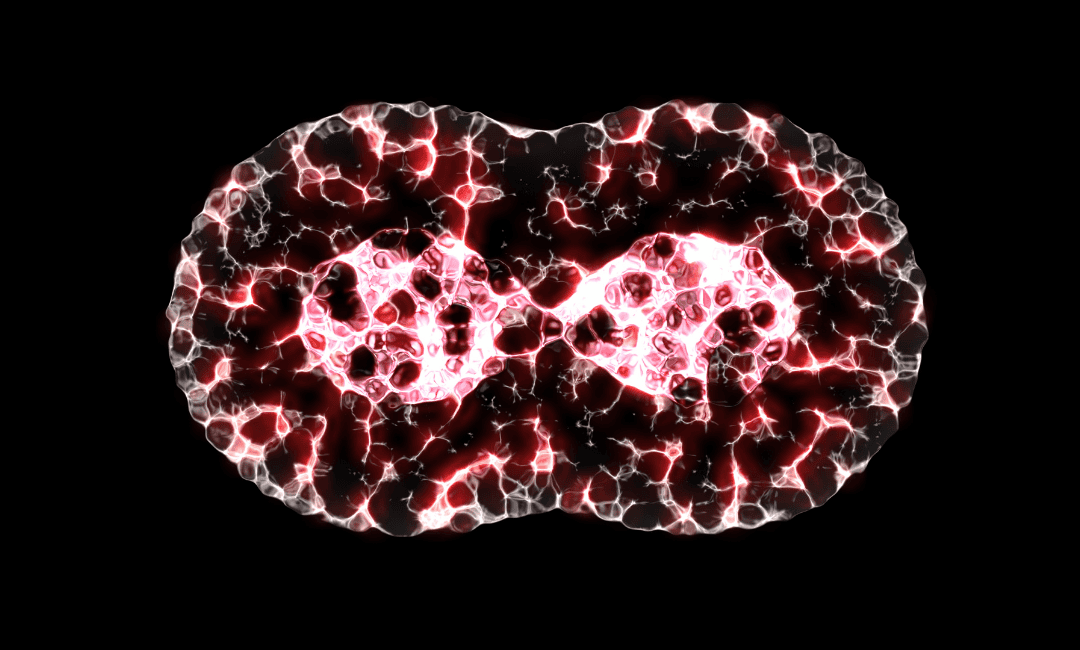
Self-renewal refers to the ability of cancer stem cells to produce more of their own kind. This allows them to maintain their population within the tumour over time.
It also supports the long-term persistence of cancer, even when other tumour cells are reduced.
2. Differentiation
Differentiation is the ability to give rise to different types of tumour cells. This contributes to variation within the tumour, where different cells may behave differently or respond differently to treatment.
This property contributes to tumour diversity in several ways:
- •Creates diverse cell types within a tumour
- •Influences how different cells respond to treatment
- •Supports tumour complexity over time
3. Tumour-initiating ability
Cancer stem cells may start or sustain tumour growth. Even a small number of these cells can contribute to the formation of new tumour tissue under certain conditions.
This ability supports tumour development because it:
- •Drives tumour formation in early and later stages
- •Contributes to regrowth after treatment
- •Sustains tumour activity over time
4. Plasticity
Plasticity refers to the ability of cells to shift between different states. Some cancer cells may gain or lose stem-like features depending on signals from their environment.
This adaptability may influence cancer behaviour by:
- •Enabling adaptation to changing conditions
- •Supporting survival in different environments
- •Influencing how cancer evolves over time
5. Properties linked to treatment response
Some properties are linked to how cancer responds to treatment. They arise because these cells may behave differently compared to other tumour cells.
These treatment-related traits include:
- •Showing resistance to certain therapies
- •Surviving treatment and remaining in the body
- •Contributing to cancer returning over time
These traits are being studied to understand cancer treatment outcomes better. Together, these features shape the cancer stem cell impact factor.
Impact factor refers to how strongly these cells influence disease behaviour, including growth, spread, and response to care.
Cancer stem cells compared with normal stem cells
Understanding cancer stem cells vs normal stem cells can help clarify how cancer develops and behaves. Both of them share some basic abilities, but their roles in the body are very different.
The major difference between normal cell and cancer cell lies in control and purpose. Normal cells support healthy function, while cancer-related cells may drive disease.
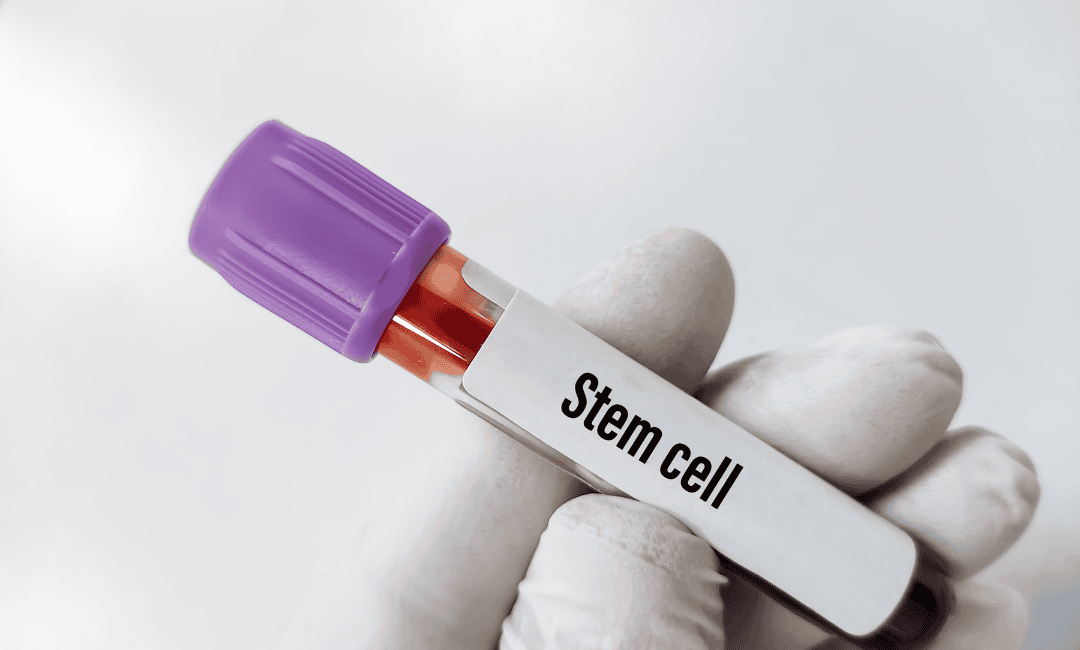
The comparison between stem cells and cancer stem cells can be understood more clearly below:
| Feature | Normal stem cells | Cancer stem cells |
|---|---|---|
| Function | Help repair and maintain healthy tissues | Support tumour growth and survival |
| Regulation | Tightly controlled by the body | Dysregulated and uncontrolled |
| Growth behaviour | Balanced and limited as needed | Can continue growing without normal limits |
| Genetic stability | Usually stable with fewer harmful changes | Often carry genetic abnormalities |
| Role in disease | Do not cause cancer | May drive tumour growth and recurrence |
Links between cancer stem cells and cancer progression
The role of these cells in cancer progression is an active area of research. They are thought to influence how tumours grow, change, and respond over time.

Tumour growth and spread
These cells may act as a core source of new cancer cells. Their ability to self-renew and differentiate can support tumour growth and may also contribute to spread, or metastasis, in some cases.
Recurrence and treatment response
If some cells survive treatment, they may remain inactive for a period. Over time, they may contribute to the cancer returning and may influence how the disease responds to treatment.
Across cancer types and environments
These patterns have been observed across different types of cancer, including solid tumours and blood cancers. These cells can also interact with the tumour microenvironment, where surrounding signals may support their growth and survival.
Understanding these behaviours can support more informed cancer diagnostics. A cancer screening test alone cannot detect these cells directly, but early detection may still improve care and outcomes.
What this means for care
Cancer stem cells offer one way to understand how cancers grow, adapt, and sometimes return after treatment. Their ability to sustain tumour activity and survive therapy has made them an important focus in research.
At the same time, this remains an evolving area. Researchers continue to study how these cells behave across different cancers and how they may be approached in care.
As research continues, there is a growing focus on how these cells can be better understood in real-world care. Over time, this may support more precise treatment approaches and improve how cancer is managed across different stages.
If you have questions about your diagnosis or how cancer stem cells may relate to your condition, it can help to speak with a specialist. Consulting oncology doctors can help you understand your diagnosis and the treatment approach best suited to your condition.
FAQs
Research is exploring ways to target cancer stem cells, especially to reduce resistance and recurrence. Many approaches look at combining standard care with therapies that focus on these cells, though this remains an evolving area.
Related Blogs
Insights5 min read
Muh Ke Cancer Ke Lakshan (मुंह के कैंसर लक्षण): कैसे पहचानें?
Dr. Vrundali Kannoth