
+918929672099
Call Us
Eicosapentaenoic Acid in Cancer-Care Nutrition for Patients and Caregivers
Dr. Vrundali Kannoth|5 min read|
During cancer care, changes in appetite, taste or digestion can make nutrition harder to plan. Supplement questions often begin there, especially when regular meals become limited.
This is where the care team may start looking at specific nutrients, and omega-3 intake is often part of that discussion. Eicosapentaenoic acid, often shortened to EPA, is one omega-3 that may need closer review.
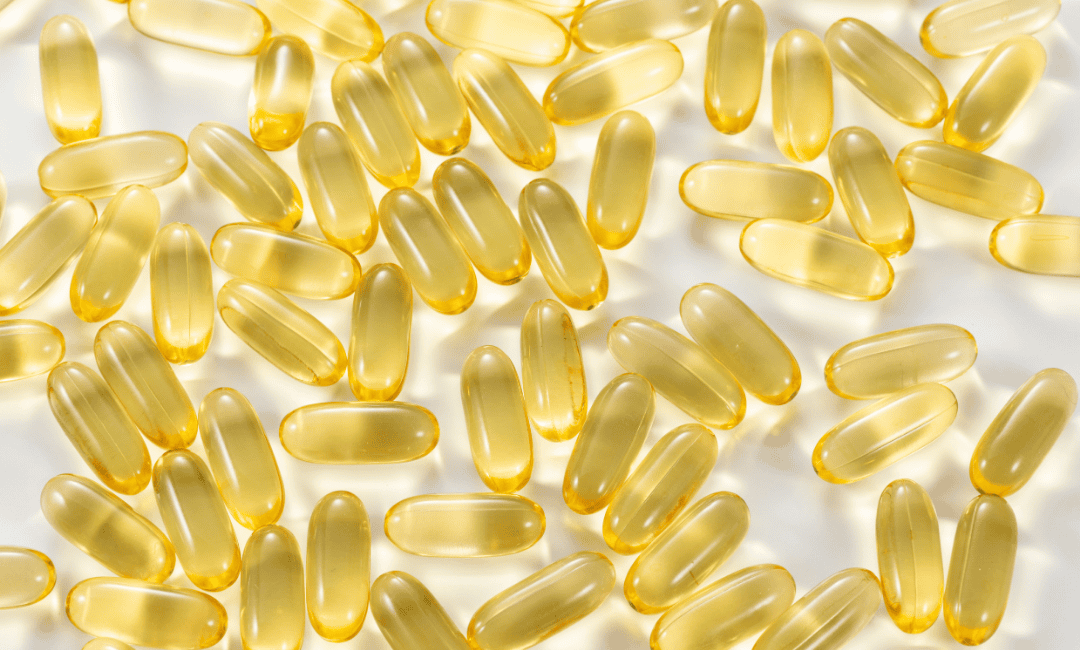
An eicosapentaenoic acid supplement may be considered when everyday intake needs attention. Still, supplements should fit the treatment plan, medicines and current symptoms.
This article explains EPA simply, including its uses, sources, absorption, timing and safety considerations during care.
What is eicosapentaenoic acid *(EPA)*?
Eicosapentaenoic acid is a long-chain omega-3 fatty acid. It is often abbreviated as EPA and has 20 carbon atoms with five double bonds.
The phrase eicosapentaenoic acid EPA often appears in omega-3 nutrition discussions. While EPA is important, it is not “essential” in the same way as ALA.
Here is the simpler way to understand it:
- ALA: The omega-3 fatty acid the body must get from food.
- EPA: A longer-chain omega-3 that the body can make from ALA, but only in limited amounts.
- DHA: Another long-chain omega-3, also called docosahexaenoic acid.
Eicosapentaenoic acid supplements are available at the Everhope store — reviewed for use during cancer care.
Health benefits of eicosapentaenoic acid
The main eicosapentaenoic acid health benefits are linked to omega-3 nutrition. They should be understood as support for normal body functions, not as treatment effects.

Eicosapentaenoic acid is often discussed with heart-health research. Studies on EPA and DHA have focused on blood lipids, blood pressure and cardiovascular health.
Findings are mixed, so EPA should not be presented as a guaranteed way to prevent heart disease.
EPA eicosapentaenoic acid benefits can be grouped into a few areas. Each one relates to how omega-3 fats are used in the body:
- Heart-health context: EPA and DHA are often studied for blood pressure, triglycerides and cardiovascular risk markers.
- Cell signalling: EPA helps form signalling molecules (eicosanoids) that guide normal body responses.
- Inflammatory response: EPA is involved in pathways linked with inflammation, but this does not mean it treats inflammation.
Uses of eicosapentaenoic acid supplements
Eicosapentaenoic acid uses are usually discussed when regular food intake is not providing enough omega-3 support.

Low omega-3 intake may happen when meals become smaller, food choices narrow or eating patterns change for a while.
However, supplementation is not meant to be an automatic add-on.
EPA may come up in a nutrition conversation when daily meals are limited, or nutrition needs are being reviewed. In such cases, the care team can determine if supplementation is suitable.
In conversations about the immune system and cancer, EPA should be viewed as one nutrition factor. It should not replace the treatment plan, symptom care or oncology guidance.
Eicosapentaenoic acid supplements and cancer care
During cancer care, appetite, taste, smell, nausea, vomiting or discomfort may affect daily intake. This is where nutrition and cancer conversations often become more detailed.
Ongoing nutrition problems may be linked with more severe treatment side effects and a higher risk of infection. ESPEN also notes that people with cancer can be at risk of malnutrition because of the illness itself and anticancer therapies.
When EPA may come up
Eicosapentaenoic acid may be discussed during an oncology nutrition review when intake is low, weight is changing or nutritional status needs closer attention.

The team can assess whether extra omega-3 support fits the wider care plan.
That said, eicosapentaenoic acid supplements for cancer should be reviewed as nutrition support, not treatment support.
Food-first care and supplement review
Food-first care is preferred where possible. A diet for cancer patients may include changes to texture, portions, meal timing or protein intake before supplements are considered.
Before regular use, the care team may want to review a few details:
- Current medicines and treatment schedule
- Other oils, herbal products or antioxidant supplements already being taken
- Any nausea, reflux, bleeding concerns or procedure plans
Eicosapentaenoic acid supplements for cancer should be checked in this full context.
Dietary sources and supplement options
Eicosapentaenoic acid sources are mainly marine foods. Cold-water fatty fish are common sources of EPA and DHA.
Food sources to know
Fatty fish usually provide more long-chain omega-3s than lower-fat fish and shellfish.

So, the type of seafood matters. Common food sources include:
- Salmon
- Mackerel
- Tuna
- Herring
- Sardines
Supplement options
Eicosapentaenoic acid may also be found in fish oil, krill oil and some algae-based omega-3 products.
Labels matter because products can vary widely. Some show only total fish oil, while others clearly list EPA and DHA amounts.
Algae-based products may also differ. Some provide more DHA than EPA, so the actual EPA amount should be checked.
Dosage, absorption and best time to take EPA
EPA eicosapentaenoic acid supplement dosage should be personalised. There is no single recommended daily amount for EPA itself. The Institute of Medicine set Adequate Intake levels for ALA. However, no specific intake recommendations exist for EPA or DHA.
How dosage is usually reviewed
General online advice is not enough to guide dosing. Diet, the product label, health status, medicines and oncology guidance should all be considered.
A few label details can help make the discussion clearer:
- EPA amount: Check EPA separately from total fish oil
- Total omega-3 intake: Review other omega-3 products already being taken
- Safety range: According to the European Food Safety Authority, supplements providing no more than 5 g/day of EPA and DHA appear safe
- High-dose use: Higher intakes should be medically guided
How EPA is absorbed
Eicosapentaenoic acid absorption works like other dietary fats.
After intake, fats are broken down in the intestine, absorbed and transported through the lymphatic system.
This process is generally efficient, with an absorption rate of about 95%.
When to take it
The best time to take an eicosapentaenoic acid supplement is usually the time it can be taken consistently and comfortably.
For many people, taking it with a meal may feel gentler. This may help if omega-3 products cause reflux, nausea or a fishy aftertaste.
The best way to take eicosapentaenoic acid supplement is to follow the label.
Side effects and safety considerations
Eicosapentaenoic acid side effects are usually mild, but they still matter during cancer care.

Omega-3 supplements may cause an unpleasant taste, bad breath, heartburn, nausea, digestive discomfort, diarrhoea, headache or fishy-smelling sweat.
If symptoms are persistent, severe or unusual, it is sensible to pause and check with the oncology team.
A few situations need extra care before regular use:
- Blood thinners: People using anticoagulants may need monitoring, even though studies have not generally shown clinically significant bleeding episodes.
- Heart rhythm concerns: High-dose omega-3 use has been linked with a slightly higher risk of atrial fibrillation in some large trials involving people with cardiovascular disease or high cardiovascular risk.
- Procedures or surgery: The care team may want to review supplement use before planned procedures.
- Multiple supplements: Fish oil, other omega-3 products and herbal supplements can overlap.
Safety is not only about the supplement itself. It also depends on medicines, treatment timing, health history and current symptoms.
Choosing supplement support with care
Eicosapentaenoic acid can be part of a nutrition conversation, but it should be considered with care during cancer treatment.
A helpful next step is to bring the supplement label to the oncology team. They can review the EPA amount alongside the treatment plan, medicines, symptoms and recent blood results.
Supplements may still have a place, but the decision should feel informed, safe and personal.
If supplement choices feel unclear during cancer care, Everhope Oncology can help. Our oncology nutrition specialists offer guidance that fits the treatment plan, daily intake and changing nutrition needs.
FAQs
EPA is absorbed in the intestine with other dietary fats and transported through the lymphatic system. Taking it with food may feel gentler if reflux or nausea occurs.
Related Blogs
Insights5 min read
Muh Ke Cancer Ke Lakshan (मुंह के कैंसर लक्षण): कैसे पहचानें?
Dr. Vrundali Kannoth