Nutrition5 min read
Creatine and Glutamine: A Clear Guide for Cancer Nutrition and Recovery
Dr. Vrundali Kannoth

If you’ve recently been told you’ll need chemotherapy, it’s natural to think about the needles, the hospital visits, and the uncertainty that lies ahead.
Take a deep breath. Today, cancer care is gentler, smarter, and far more comfortable than it used to be. One of the most comforting advances in this journey is the chemo port: a small yet remarkable device that quietly makes treatment smoother and less painful.
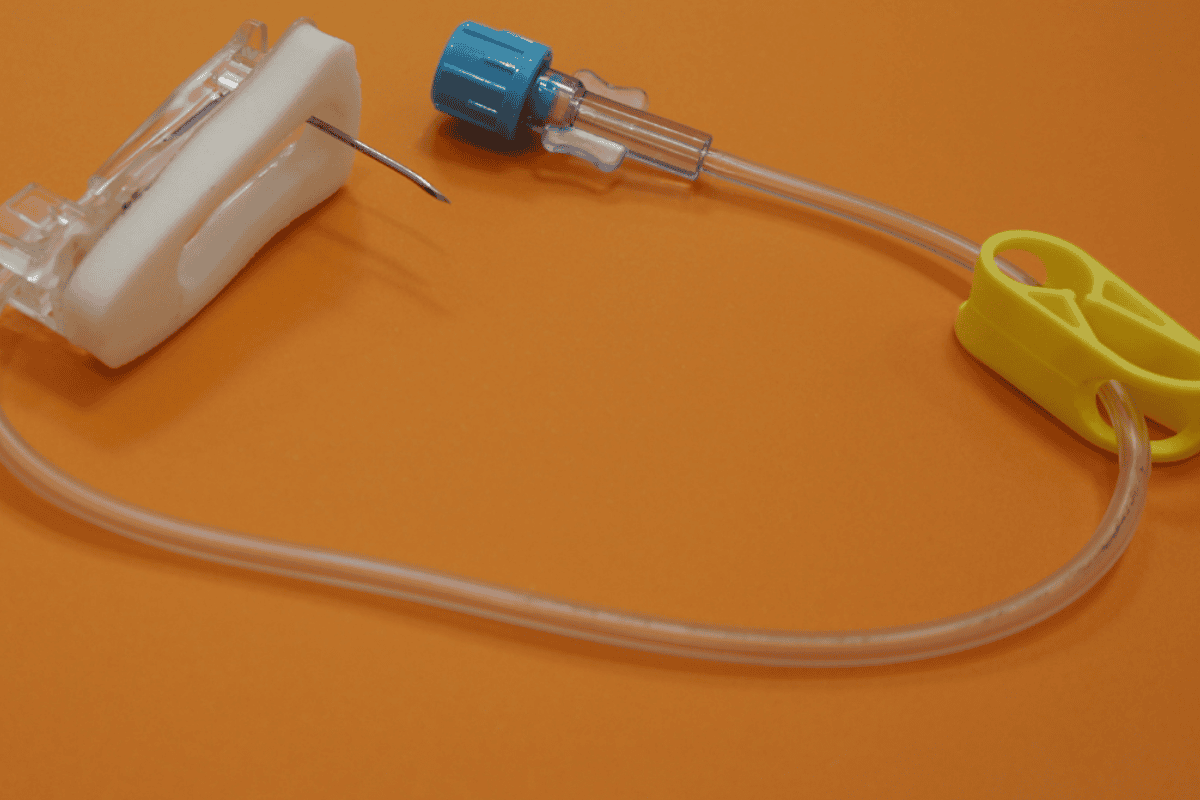
A chemo port (or cancer chemo port) is a small medical device placed under your skin, usually near your chest or upper arm. It acts as a reliable gateway for your cancer treatment, making it easier to give medicines and draw blood without repeatedly poking your veins.
Instead of inserting a needle each time, your healthcare team connects the IV line directly to the port: simple, safe, and far less stressful.
The chemo port implant is connected to a small tube that leads into a large vein near your heart.
During chemotherapy, medicines flow smoothly through this line, quickly reaching your bloodstream. This steady, direct access helps protect delicate nerves and smaller veins from damage or extravasation (leakage of medicine into tissues).
A chemo port is about the size of a coin, with a small raised bump under the skin. It’s made of medical-grade plastic or titanium, and covered with a soft silicone layer where the special needle is inserted.
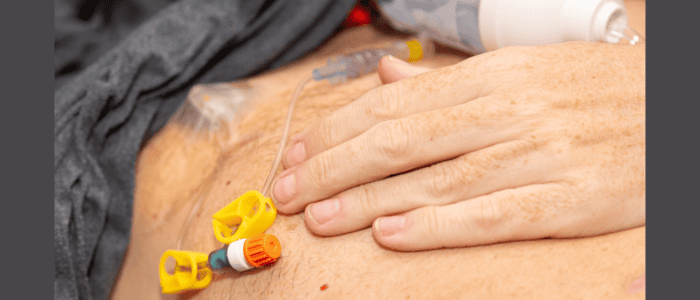
Once healed, the port blends in so well that many patients forget it’s even there.
Doctors recommend a chemo port if your treatment requires frequent IV infusions, blood tests, or if your veins are too fragile for regular needles. It’s especially helpful for long-term therapy, as it keeps the skin from being punctured repeatedly and lowers the risk of infection.
The chemo port procedure is quick, minimally invasive, and usually performed under anaesthesia. Most patients can go home the same day.
The goal is to create a safe, comfortable access point for treatment with minimal discomfort.
Here’s a simple view of the process of chemo port insertion:
The whole process usually takes about 30–45 minutes.
Look at this clean flowchart to understand better:
Safety comes from precision and sterilisation. Doctors use fluoroscopy for accuracy and maintain strict hygiene during chemo port surgery.
After placement, a dressing protects the site while it heals.
During needle insertion, a thin, non-coring needle gently enters the silicone surface of the port. You might feel brief pressure, but it’s far milder than a regular IV prick. The area can be numbed with cream before each session for extra comfort.
Once treatment ends, the port can be taken out through a quick outpatient procedure.
This simple removal process is far easier than insertion and rarely causes complications.
Think of your chemo port as a silent companion throughout cancer treatment. It helps reduce pain, protect veins, and ensure medication delivery is precise and safe.
For patients who undergo multiple rounds of cancer treatment, a chemo port can make every visit less stressful and more manageable, both physically and emotionally.
While the benefits of chemo port are many, it’s equally important to know the few limitations that come with it. Here’s a balanced look at both sides.
| Advantages | Disadvantages |
|---|---|
| Minimal needle pain | Small scar at incision site |
| Reliable access for long-term therapy | Minor infection risk |
| Reduces inflammation and tissue injury | Needs minor surgery for placement |
| Allows full movement once healed | Rare blood clots may form in certain cases |
This table provides a comprehensive view of the advantages and disadvantages of chemo ports, allowing you to make an informed choice.
What truly sets a chemo port apart is how it takes the sting out of chemotherapy. Here’s why that small change makes a big difference.
These are the most tangible benefits of a chemo port for patients undergoing long-term therapy.
While a chemo port is generally safe, it’s still a medical device, and every device carries minor risks.
Understanding them helps you stay alert.
While generally safe, some patients may notice minor reactions after getting a chemo port.
These side effects usually settle within a few days.
Serious issues are uncommon, but certain complications can occur and should be recognised early.

Such complications can be managed with medical supervision.
Call your oncologist if you notice persistent redness, fever, severe pain, or discharge near the port.

Early reporting prevents infections from worsening.Early reporting prevents infections from worsening.
Once the wound heals, taking care of your chemo port becomes quite easy. Regular cleaning, dressing checks, and gentle habits keep infections away.
Proper care helps prevent infection and keeps your treatment running smoothly.
Following these steps ensures proper care and smooth therapy sessions.
While living with a chemo port, certain adjustments help:
These chemo port restrictions are temporary. Most patients return to normal routines soon.
Knowing how much it may cost helps reduce financial stress. The overall chemo port price depends on hospital facilities, city, doctor’s expertise, and device quality.
Costs can vary by city and hospital, but this breakdown gives a fair general idea.
| Expense type | Estimated range (INR) |
|---|---|
| Device (chemo port cost) | ₹35,000-₹60,000 |
| Hospital and surgeon fees | ₹10,000-₹25,000 |
| Medications and consumables | ₹5,000-₹10,000 |
| Follow-up and removal charges | ₹7,000-₹12,000 |
The chemo port insertion cost varies across hospitals.
On average, the chemo port price in India ranges from ₹45,000 to ₹75,000 depending on the city and the type of implanted port used.

Download Your Free Guide Book Now
However, it may not suit everyone. Those with certain blood disorders, recurrent infections, or poor wound healing should discuss alternatives.