
+918929672099
Call Us
What Are Alternative Cancer Treatments? A Complete Guide
Dr. Vrundali Kannoth|5 min read|
Cancer changes everything overnight, and the search for answers starts almost instantly.
What else can we do? What else is out there? That curiosity is natural, and you're not alone in it.
From herbal medicine and acupuncture to nutritional therapy, mind-body practices, and specialist options like IV infusions and hyperbaric oxygen, the world of alternative medicine cancer treatment is quite broad.
Most patients use them alongside conventional treatment, primarily to manage symptoms and feel better day to day.
However, there's a lot of noise around this topic. This guide cuts straight to what's real, what's studied, and what you actually need to know.
What are alternative cancer treatments?
Alternative cancer treatments are therapies and practices that fall outside standard medical care. They are anything beyond surgery, chemotherapy, radiotherapy, and immunotherapy that a patient pursues to support their health during a cancer journey.
Two terms you'll often hear:
- •Complementary:Used alongside conventional treatment
- •Alternative:Used instead of conventional treatment

The stages of cancer a patient is in also shape which approaches are appropriate. What helps during early-stage care can look quite different from what's useful during palliative treatment.
Beyond the tumour itself, these therapies typically focus on fatigue, pain, anxiety, and day-to-day quality of life.
Types of alternative cancer treatments
These represent the most widely used alternative methods of cancer treatment across both integrative clinics and independent practitioners:
| Type | What it involves |
|---|---|
| Mind-body practices | Meditation, yoga, guided imagery, breathing techniques |
| Herbal and botanical medicine | Plant-based supplements, medicinal herbs, and traditional remedies |
| Nutritional therapy | Dietary changes, specialised eating plans, targeted supplementation |
| Physical therapies | Acupuncture, massage, reflexology, and chiropractic care |
| Energy therapies | Reiki, therapeutic touch, electromagnetic therapy |
| Specialist infusion and oxygen therapies | High-dose IV vitamin C, hyperbaric oxygen therapy |
Understanding your cancer risk factors can also help inform which supportive therapies may be most relevant to your situation. Your care team is best placed to advise on this.
Integrative therapies in cancer care
Integrative oncology is about using conventional and its alternatives smartly.
Most reputable cancer centres now offer integrative care as standard. They combine alternative cancer treatments with conventional cancer treatment to improve symptom management and treatment tolerance.
Alternative cancer treatment IV therapy
High-dose intravenous vitamin C is one of the most studied alternative treatments for cancer patients in integrative oncology.

Process: Vitamin C is administered directly into the bloodstream, bypassing the digestive system entirely and achieving concentrations impossible through diet or oral supplements alone.
Result: At these elevated concentrations, vitamin C acts as a pro-oxidant. It selectively targets cancer cells while leaving healthy tissue largely unaffected.
In integrative care, alternative cancer treatment IV therapy is used to reduce treatment-related fatigue, support immune function, and improve tolerance to chemotherapy and radiotherapy.
What recent research says:
- A Phase 2 trial (University of Iowa, 2024) found high-dose IV vitamin C added to chemotherapy nearly doubled survival in metastatic pancreatic cancer - from 8 to 16 months.
- Dana-Farber/Harvard researchers (2025) identified a mechanism by which high-dose vitamin C triggers an immune response specifically inside cancer cells.
Alternative cancer treatment HBOT therapy
Cancer cells tend to thrive in low-oxygen environments - Hyperbaric Oxygen Therapy (HBOT) directly disrupts this.
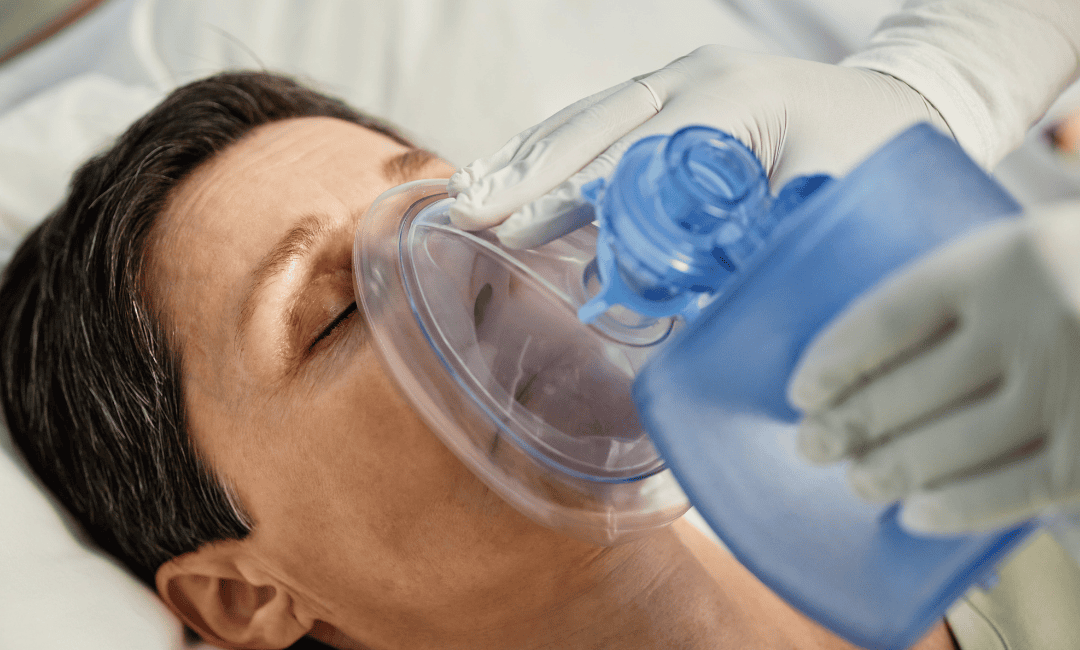
Process: Patients breathe pure oxygen inside a pressurised chamber, raising the body's oxygen levels well beyond what's normally achievable.
Result: Oxygen-rich environments are hostile to many cancer cells and support faster tissue repair. making HBOT a genuinely useful tool for patients dealing with the physical toll of radiotherapy and surgery.
This is what makes alternative cancer treatment HBOT therapy particularly relevant in oncology.
In integrative care, it is primarily used to support tissue healing post-radiotherapy, reduce radiation-related side effects, and address persistent fatigue during treatment.
What research says:
- A 2025 study published in Medicina confirmed that alternative cancer treatment HBOT therapy shows no link to tumour progression or recurrence, supporting its safety as an adjunctive therapy.
- A Frontiers in Oncology review (2025) found HBOT increases tumour oxygenation and enhances sensitivity to both chemotherapy and radiotherapy.
Do alternative cancer treatments work?
The honest answer is - it depends entirely on what you're asking them to do.
No alternative cancer treatments have been proven to shrink or eliminate tumours in the way chemotherapy or radiotherapy can.
That's the straight truth. However, the evidence supporting their role in symptom management, treatment tolerance, and quality of life is genuinely compelling for several therapies.
The most successful alternative cancer treatments in clinical research tend to be those used alongside conventional care rather than in place of it:
| Therapy | What evidence supports |
|---|---|
| High-dose IV vitamin C | Reduced fatigue, improved quality of life during chemotherapy |
| Acupuncture | Nausea, pain, and anxiety relief during treatment |
| Mind-body practices | Reduced stress, better sleep, improved emotional resilience |
| HBOT | Tissue repair, reduced radiation side effects |
| Nutritional therapy | Improved treatment tolerance and recovery |
A cancer screening test picked up early can also open the door to a wider range of integrative options. Earlier-stage patients often have more flexibility in incorporating complementary therapies alongside treatments.
What the evidence doesn't support is abandoning conventional treatment entirely in favour of complementary approaches. That's where the risk lies, and we'll come to that next.
Risks and considerations
Alternative cancer treatments aren't without their risks, and being informed about them is just as important as knowing the benefits.

The main concerns clinicians flag:
- •Interactions with conventional treatment:Some herbal supplements can interfere with chemotherapy drugs, reducing their effectiveness or increasing toxicity.
- •Delaying proven treatment:Pursuing alternative treatments for cancer patients instead of conventional care, particularly in early stages, can allow cancer to progress.
- •Unregulated products:Herbal remedies and supplements aren't subject to the same rigorous testing as licensed medicines; quality and dosage can vary significantly.
- •Misleading claims:Some practitioners and products promise far more than evidence supports; if something sounds too good to be true, it usually is.
Being transparent with your oncologist about everything you're taking or considering is non-negotiable. Your care team needs the full picture to keep your treatment safe.
How to prevent cancer from being further complicated by unsupported treatments comes down to one thing - honest conversations with your medical team before starting anything new.
Choose the right alternative methods of cancer treatment
With so much information out there, knowing where to start can feel tough.
Here's a practical way to approach it:
1. Start with your oncologist: Before exploring any alternative cancer treatment, have an open conversation with your care team. Some therapies complement your treatment plan well. Others may not be appropriate at all, depending on your diagnosis and medications.
2. Look for evidence: Not all therapies are equal. Prioritise those with published clinical research. Peer-reviewed studies, NHS guidance, and reputable integrative oncology centres are your most reliable starting points.
3. Vet your practitioner: Whoever you see should be properly qualified, registered with a recognised professional body, and willing to communicate with your medical team directly.
4. Watch for red flags: Be cautious of anyone who discourages conventional treatment, guarantees results, or charges significant sums upfront. These are warning signs.
5. Reassess regularly: Your needs will change throughout treatment. What works well at one stage may need revisiting at another. Keep your care team updated as you go.
Approaching alternative cancer treatments this way keeps you in control without compromising your safety.
How to approach alternative cancer treatments as a patient?
Alternative cancer treatments have a genuine and growing role in modern cancer care. They act as a meaningful layer of support alongside conventional therapy.
The evidence is clearest for therapies used in integrative settings. IV vitamin C, HBOT, acupuncture, mind-body practices, and nutritional therapy have all shown real benefit in managing symptoms, improving treatment tolerance, and supporting overall well-being.
The key is approaching them wisely - with your oncologist in the loop, a critical eye on the evidence, and realistic expectations about what complementary care can and cannot do.

You don't have to navigate this alone. Speaking to an oncology doctor is the best next step. Someone who understands both the conventional and complementary sides of cancer care can help identify what's appropriate for your specific situation.
FAQs
Yes, therapies such as acupuncture, mind-body practices, and nutritional support have solid evidence supporting them. They help reduce fatigue, manage pain, and improve emotional well-being during treatment.
Related Blogs
Insights5 min read
Muh Ke Cancer Ke Lakshan (मुंह के कैंसर लक्षण): कैसे पहचानें?
Dr. Vrundali Kannoth