
Symptoms5 min read
Folic Acid Supplement: Importance, Benefits and Deficiency Symptoms
Dr. Vrundali Kannoth
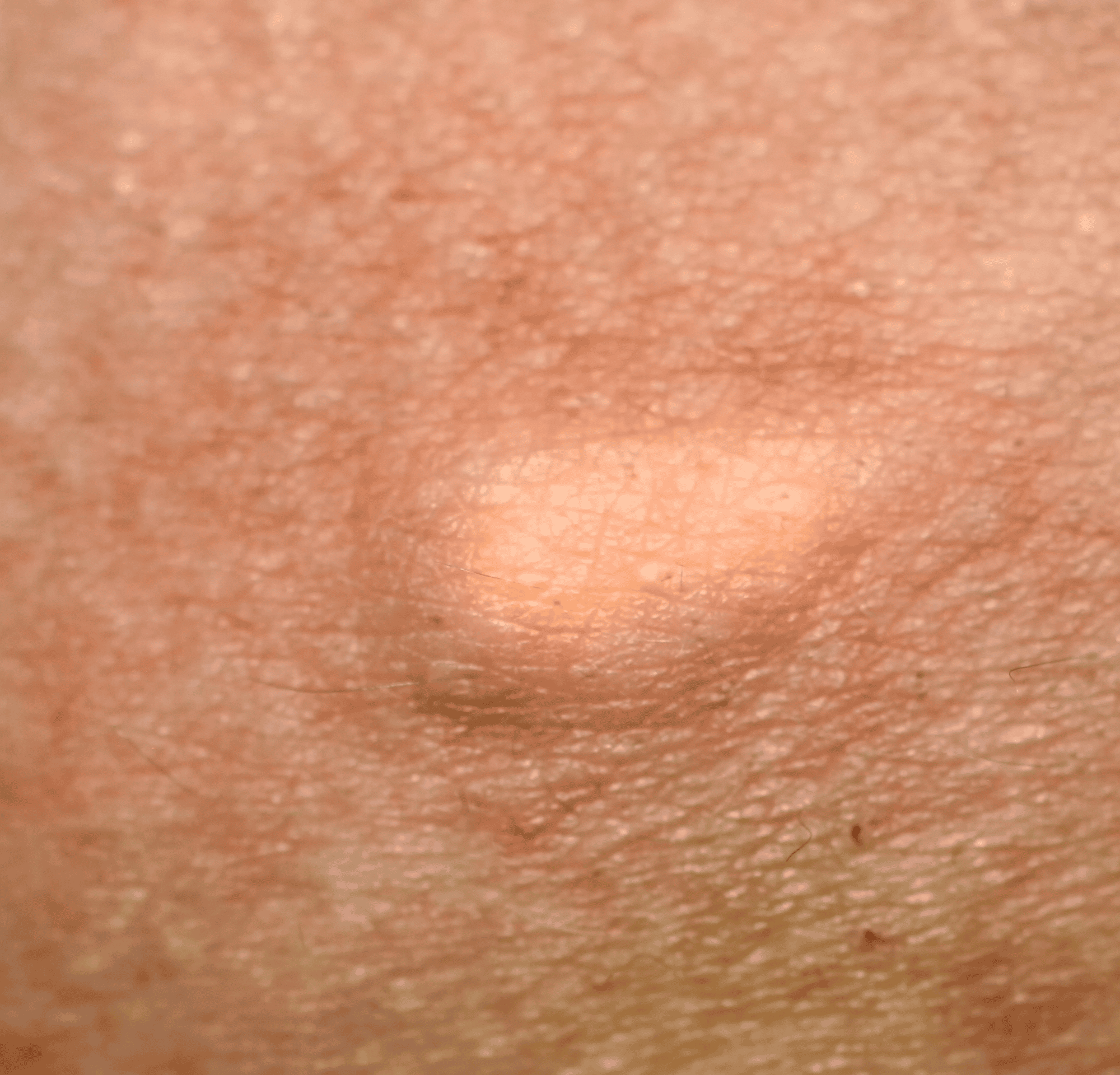
Our bodies often develop small, harmless lumps and bumps like cysts and lipomas. Lipomas usually sit under the skin and are made of fat tissue. They are common, slow-growing, and almost always harmless.
But sometimes, you notice a lump that keeps growing or feels different from the usual soft characteristics of a lipoma. This could be liposarcoma, a rare type of malignant neoplasm developing from fat tissue.
If you have recently come across this term, it's natural to feel uncertain. The good news is that modern medicine has made huge progress in understanding and managing this condition.
This guide is here to help you understand liposarcoma meaning, what is liposarcoma cancer, liposarcoma symptoms, and answer: is liposarcoma curable?
Liposarcoma is a rare type of cancer that starts in fat cells located deep within the body's soft tissues. But to understand it better, you must first start with fat tissue.
Fat is something that our bodies store for energy, but it’s also a living tissue made of cells that grow, divide, and renew themselves over time. Occasionally, something goes wrong in the genetic mutation cancer processes inside these cells.
In liposarcoma, what causes cancer at the cellular level is that a fat cell may begin to grow uncontrollably. Over time, this abnormal growth can form a tumour and become liposarcoma cancer.
But it’s important to understand that liposarcoma is very different from the common lipoma that many people have.
| Lipoma | Liposarcoma |
|---|---|
| Benign (not cancerous) | A malignant liposarcoma, meaning the tumour is cancerous |
| Usually found just under the skin | Often develops deeper inside the body’s soft tissues |
| Typically soft and easily movable under the skin | Often feels firmer and may be fixed to nearby structures |
| Usually grows slowly or may stop growing | Continues growing if untreated |
| Rarely causes serious problems | May affect nearby tissues or organs as it grows |

Not all liposarcomas behave the same way. While some of them grow slowly and usually stay in one place for years, others grow more aggressively and may spread rapidly.
That’s why knowing the types of liposarcoma is critical, for each type has its own pattern of growth, level of aggressiveness, and treatment approach.
This is the most common form of liposarcoma, making up around 40–45% of cases. In this case, the cancer cells still behave somewhat similarly to normal fat cells, and the tumour usually grows slowly.
Key characteristics include:
Dedifferentiated liposarcoma is a more aggressive form that can develop from a previously well-differentiated tumour. In this case, part of the tumour changes into a more abnormal and faster-growing cancer.
Common features of dedifferentiated liposarcoma include:

Myxoid liposarcoma is the second most common type, accounting for about 30–35% of cases.
This type tends to occur in younger adults compared with other forms. It is usually found in the thighs or legs.
Characteristics include:
Depending on the number of more aggressive cells (round cells), myxoid liposarcoma is further divided.
Pleomorphic liposarcoma is the rarest and most aggressive type. In this form, the cancer cells look very abnormal and multiply quickly.
Features include:
Because of their behaviour, pleomorphic tumours are considered a high-grade form of liposarcoma cancer and are treated very carefully by specialised cancer teams.
When oncologists identify a liposarcoma, determining the exact type is one of the most important steps in treatment planning.
Specific types influence:
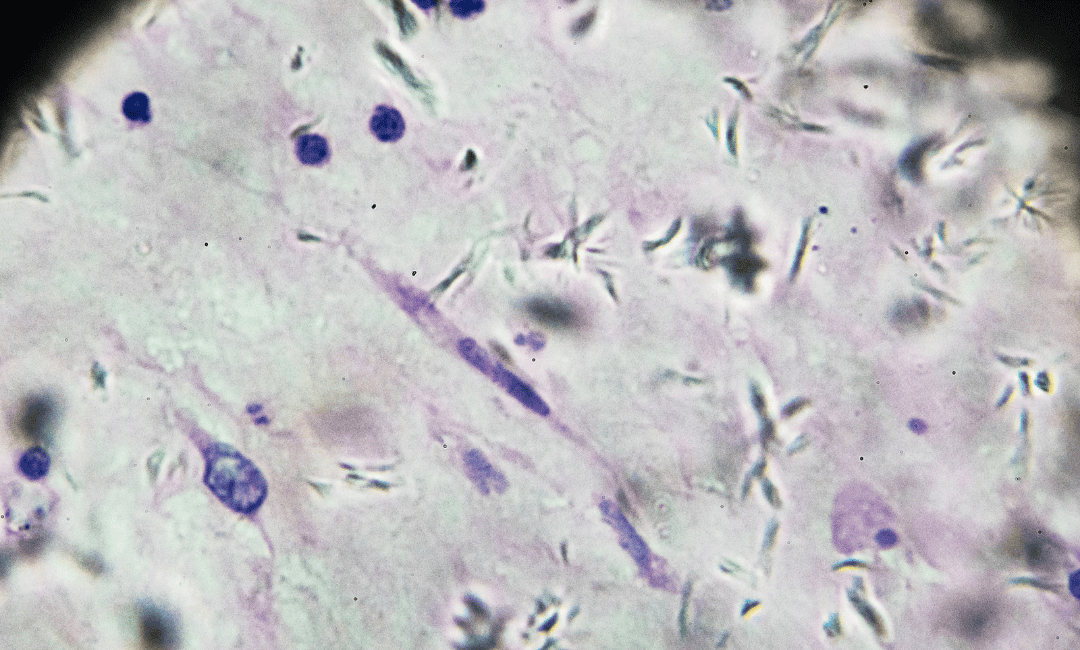
Liposarcoma can grow quietly for a long time. Many tumours develop slowly and may not cause noticeable cancer symptoms in the early stages. You’ve also probably discovered liposarcoma by accident, perhaps when you noticed a growing lump or a routine scan.
The first noticeable sign for most is a growing lump under the skin or deep in a muscle. Some common signs of liposarcoma include:
However, since liposarcoma often forms deep within the body, the symptoms can vary depending on where the tumour develops.
When liposarcoma develops in the limbs, the most common sign is a noticeably growing mass under the skin. As the tumour increases in size, it can create a persistent sensation of heaviness or swelling throughout the affected limb.
This growth can eventually interfere with physical function, leading to noticeable muscle weakness and a reduction in your overall flexibility or range of motion.

Liposarcoma that occurs in the retroperitoneum, the deep space in the abdomen behind the organs, often presents through internal pressure and digestive shifts.
You might experience significant abdominal swelling or bloating, often accompanied by a feeling of fullness very shortly after you begin eating.
In most cases, there isn’t a preventable cause of liposarcoma. It usually begins with the mutated DNA of fat cells and slowly affects how these cells grow and divide.
Even though the exact liposarcoma causes are often unknown, we’ve identified certain liposarcoma risk factors that may increase the likelihood of developing this cancer risk factor.
If a suspicious mass is found, the next step is a careful liposarcoma diagnosis, where imaging tests and biopsies help confirm whether the tumour is cancerous and determine the best treatment approach.
If a lump is discovered, it’s necessary to confirm whether it’s benign or cancerous. Because many soft-tissue lumps are harmless, pathologists use several tests to reach an accurate liposarcoma diagnosis.
| Diagnostic step | Purpose |
|---|---|
| Medical history & physical exam | An oncologist reviews symptoms and examines the lump’s size, firmness, and movement. |
| MRI scan | Provides detailed images of soft tissues to assess tumour size and its relationship to nearby muscles or nerves. |
| CT scan | Helps evaluate tumours in the abdomen and check whether the cancer has spread. |
| Ultrasound | Often, it’s the first imaging test used to examine a lump under the skin. |
| Biopsy | A small tissue sample is taken and examined during a biopsy test for cancer to confirm liposarcoma and determine its type. |
If liposarcoma is confirmed, the next step is to find out which stage it is in, for a better treatment approach.

For staging, pathologists usually use imaging tests such as MRI or CT scans and a system called TNM, which looks at tumour size (T), lymph node involvement (N), and distant spread (M).
Stages of cancer are generally grouped into:
Staging helps oncologists predict liposarcoma prognosis, plan treatment, and estimate the liposarcoma survival rate.
Your liposarcoma treatment will depend on your tumour’s size, stage, type, and location. Typically, it follows like this:
| Treatment option | Purpose |
|---|---|
| Liposarcoma surgery | Primary treatment, where surgeons remove the tumour along with some surrounding healthy tissue to reduce the risk of recurrence. |
| Radiation therapy | Uses high-energy rays to shrink tumours before surgery or destroy remaining cancer cells after surgery. |
| Chemotherapy | Anti-cancer drugs are used when tumours are aggressive, advanced, or have spread to other parts of the body. |
| Targeted therapy | Newer drugs designed to attack specific genetic changes in liposarcoma cells. |
| Follow-up monitoring | Regular scans and checkups help detect liposarcoma recurrence early. |
Your liposarcoma treatment cost may also vary depending on the stage of the tumour and the therapies involved.
A liposarcoma diagnosis can feel overwhelming, but understanding the condition is an important first step. With advances in imaging, surgery, and supportive care, you can receive carefully personalised treatment plans and long-term monitoring.
If you or a loved one notices unusual symptoms or has been diagnosed with liposarcoma, speaking with experienced oncology doctors can make a meaningful difference.
The right guidance, compassionate care, and a coordinated medical team can help you get one step closer to a liposarcoma cure.
Liposarcoma most commonly develops in deep soft tissues, especially in the thighs, legs, and the retroperitoneum (the area behind the abdominal organs).
Yes, liposarcoma can affect mobility if the tumour grows in the arms or legs and presses on nearby muscles, nerves, or joints.
Yes, when liposarcoma develops in the abdomen, it can cause symptoms such as bloating, abdominal swelling, pain, or feeling full quickly due to pressure on nearby organs.