
Symptoms5 min read
Folic Acid Supplement: Importance, Benefits and Deficiency Symptoms
Dr. Vrundali Kannoth
Sometimes a blood report changes the way a day unfolds. A number looks lower than expected, unfamiliar words appear, and suddenly the body feels more fragile than it did an hour ago.
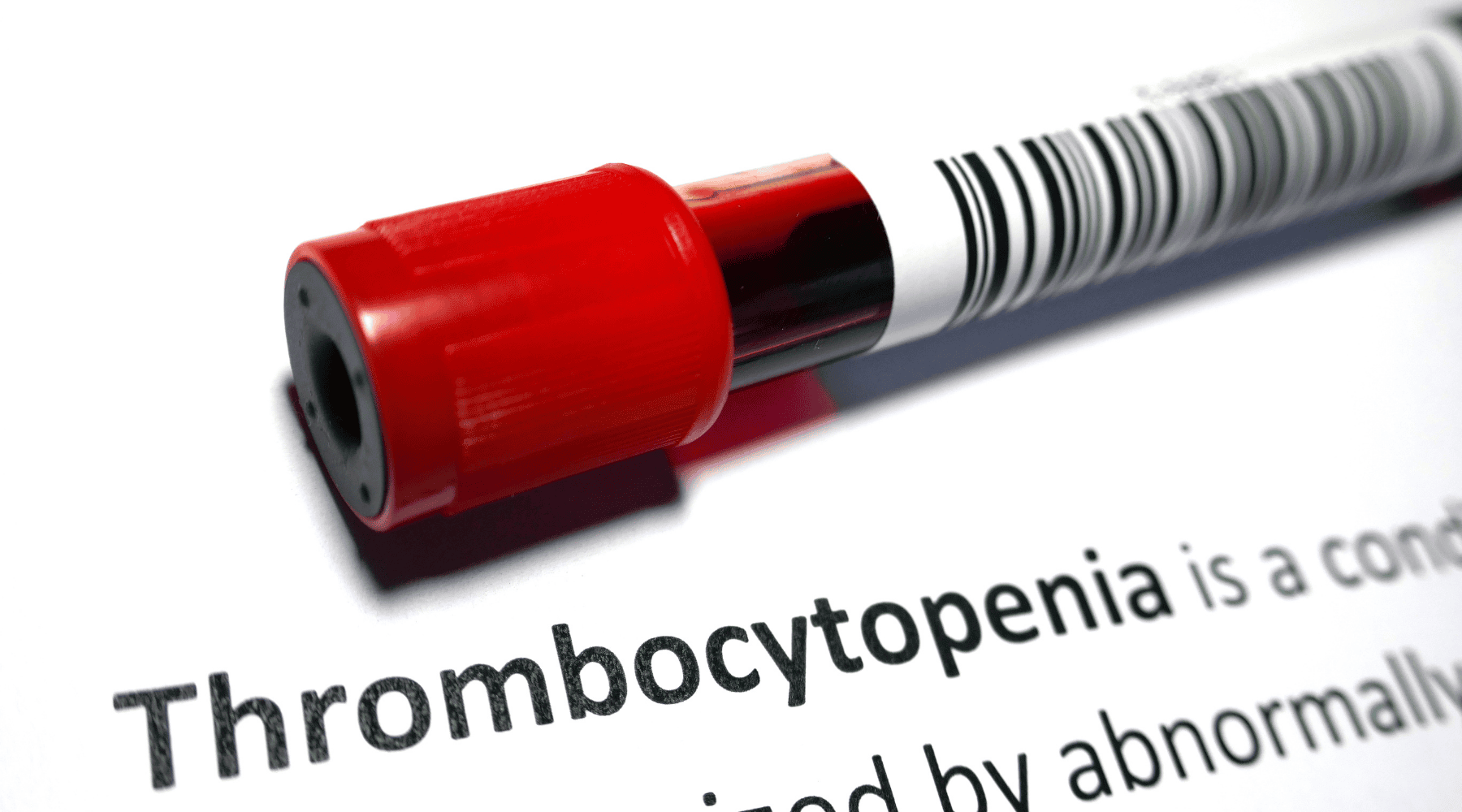
Thrombocytopenia is one of those terms that can sound heavier than it needs to be at first glance. It refers to platelet levels, but behind that science is a much more human concern: bleeding risk, fatigue, treatment delays, and unanswered questions.
What helps is understanding what’s happening inside the body, how serious it may or may not be, and what can be done next. This piece covers all that and more, so you can gain some clarity.
Eating well through treatment is hard. Get a personalised onco-nutrition plan from Everhope's dietitians.
The thrombocytopenia meaning is straightforward: a lower-than-normal platelet count in the blood. Platelets are tiny blood cells that help form clots and stop bleeding. When platelet numbers fall below normal, the blood does not clot as efficiently.
A healthy thrombocytopenia platelet count reference starts at about 150,000 platelets per microlitre of blood. When levels drop below this, doctors begin monitoring more closely.
They also look at the thrombocytopenia range rather than a single value. A slight dip in platelets may not cause any problems at all, while a deeper drop can increase the risk of bleeding and require closer care.
Low platelet counts are considered alongside physical findings and test results, as they can occasionally form part of a broader cancer symptom pattern rather than standing alone.
The body usually gives subtle hints before serious problems appear.
Common thrombocytopenia symptoms include:
Some people might also notice changes in the skin. Skin thrombocytopenia may show up as tiny red or purple dots, called petechiae, often on the legs or arms. These occur when small blood vessels leak under the skin. When platelet counts fall further, bleeding may become harder to control. This is when doctors watch closely for complications of thrombocytopenia, such as internal bleeding or blood loss that affects organ function.
There isn’t a single pathway that leads to low platelet counts. Thrombocytopenia causes can involve reduced platelet production, increased destruction, or platelets becoming trapped in the spleen.

Some common triggers include:
Platelets are produced in the bone marrow, so any condition that interferes with this process can lead to lower counts.
Bone marrow disorders, nutritional deficiencies such as vitamin B12 or folate, and certain chronic illnesses, like liver or kidney disease, may slow platelet formation. When fewer platelets enter the bloodstream, levels decline gradually over time.
In some conditions, the bone marrow continues to produce platelets at a normal rate, but the body removes them from circulation too quickly.
This happens when autoimmune disorders cause the immune system to mistakenly label platelets as harmful, leading to their early breakdown, often in the spleen. Because platelets are destroyed faster than they can be replaced, blood levels remain low even though production is intact.
The spleen normally stores a small portion of the body’s platelets, but when it becomes enlarged, it can hold on to far more than usual. This “pooling” reduces the number of platelets circulating in the blood, even though overall platelet production may be normal.
Liver disease, myeloproliferative disorders, as well as chronic infections like tuberculosis or long-standing viral hepatitis are common reasons for splenic enlargement.
Viral and bacterial illnesses can disrupt platelet balance in several ways. A thrombocytopenia infection may suppress bone marrow activity, increase platelet destruction, or alter how platelets circulate during inflammation. In many cases, platelet counts improve once the infection is treated and the immune response settles.
Cancer-related causes are also significant. Certain types of cancer interfere directly with bone marrow function, limiting platelet production, such as:
Platelet levels are closely monitored during treatment, as they influence bleeding risk and help guide safe timing of therapy.
Doctors often describe platelet loss using stages, sometimes referred to as thrombocytopenia levels, to guide care decisions.
These stages are not labels of outcome. They are tools used to decide how actively to treat and how closely to observe.
The following types are classified based on why platelet counts fall:
Identifying these types helps support thrombocytopenia prevention through early recognition and monitoring.
A simple blood draw often provides the first clue. A complete blood count reveals platelet numbers and flags abnormalities.
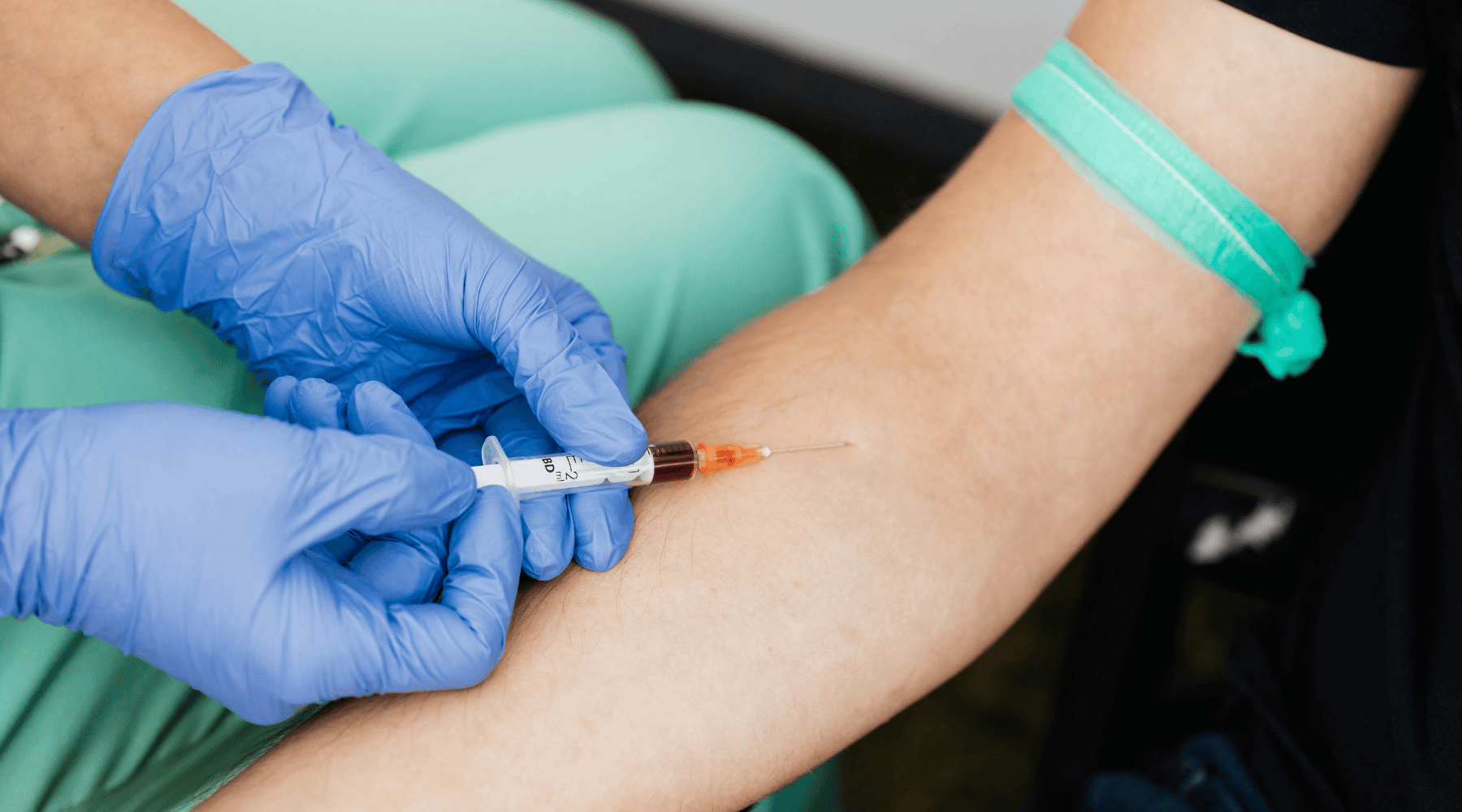
This thrombocytopenia test does more than count platelets. Doctors assess platelet size, shape, and accompanying changes in red and white blood cells. This helps narrow down the cause.
If platelet levels are persistently low, further evaluation follows. Thrombocytopenia diagnosis may involve:
Understanding the underlying cause is essential because treatment depends far more on why platelets are low than on the number alone.
Thrombocytopenia treatment depends on severity, cause, and symptoms. For mild cases, observation may be enough. Platelet counts often recover once an infection resolves or medication is adjusted. Patients are advised on precautions for thrombocytopenia, such as avoiding contact sports, using soft toothbrushes, and limiting medications that increase bleeding risk.
More active care focuses on the management of thrombocytopenia, which may include:
This may involve antivirals or antibiotics for infections, immune-suppressing drugs for autoimmune conditions, or vitamin B12 and folate supplements when deficiencies affect platelet production.
Medications such as certain antibiotics, anti-seizure drugs, blood thinners, or chemotherapy agents can reduce platelet production or survival and may be adjusted to allow recovery.
Corticosteroids or immune-targeted therapies are used when platelets are being destroyed by the immune system, helping extend their lifespan in circulation.
In cancer care, platelet support is carefully balanced so treatment can continue safely while reducing bleeding risk. Doctors also monitor for signs of cancer progression that may influence platelet recovery.
Living with fluctuating platelet counts can make even ordinary days feel unpredictable: energy levels can vary, and routine check-ups start to carry more weight than before.
Thrombocytopenia doesn’t always call for immediate action, but it does ask for attentiveness and care that moves with your body’s pace.
When these changes happen alongside cancer treatment, the goal often becomes finding a safe rhythm rather than pushing for quick fixes. With time, many people notice their platelet levels settling.
A trusted oncology centre helps make those shifts feel guided, not uncertain, with care that adapts as needed.
Yes. Many cases resolve once infections clear, medications are adjusted, or the body recovers from treatment.
Yes. Viral and bacterial illnesses can suppress platelet production or increase destruction temporarily.
It is relatively common, particularly during chemotherapy, and is closely monitored to ensure treatment safety.
Yes. It can often be reversed when the underlying cause is treated, though some cases require ongoing management rather than a one-time cure.
Products readers use for these side effects
Matched to this article's topics — not bestsellers

PeachX FerricGlow (Iron Pyrophosphate 30 mg + Vitamin C 65 mg + Folic Acid + B Complex) 30 Sachets
Iron, folate and B-complex support blood cell production
₹849₹999
View product
FM Nutrition Vitamin B Complex (60 Capsules)
B vitamins support healthy blood cell formation
₹1,499₹1,645
View product← swipe for more →
Available at the Everhope store · always consult your care team before starting any supplement