Symptoms5 min read
Folic Acid Supplement: Importance, Benefits and Deficiency Symptoms
Dr. Vrundali Kannoth
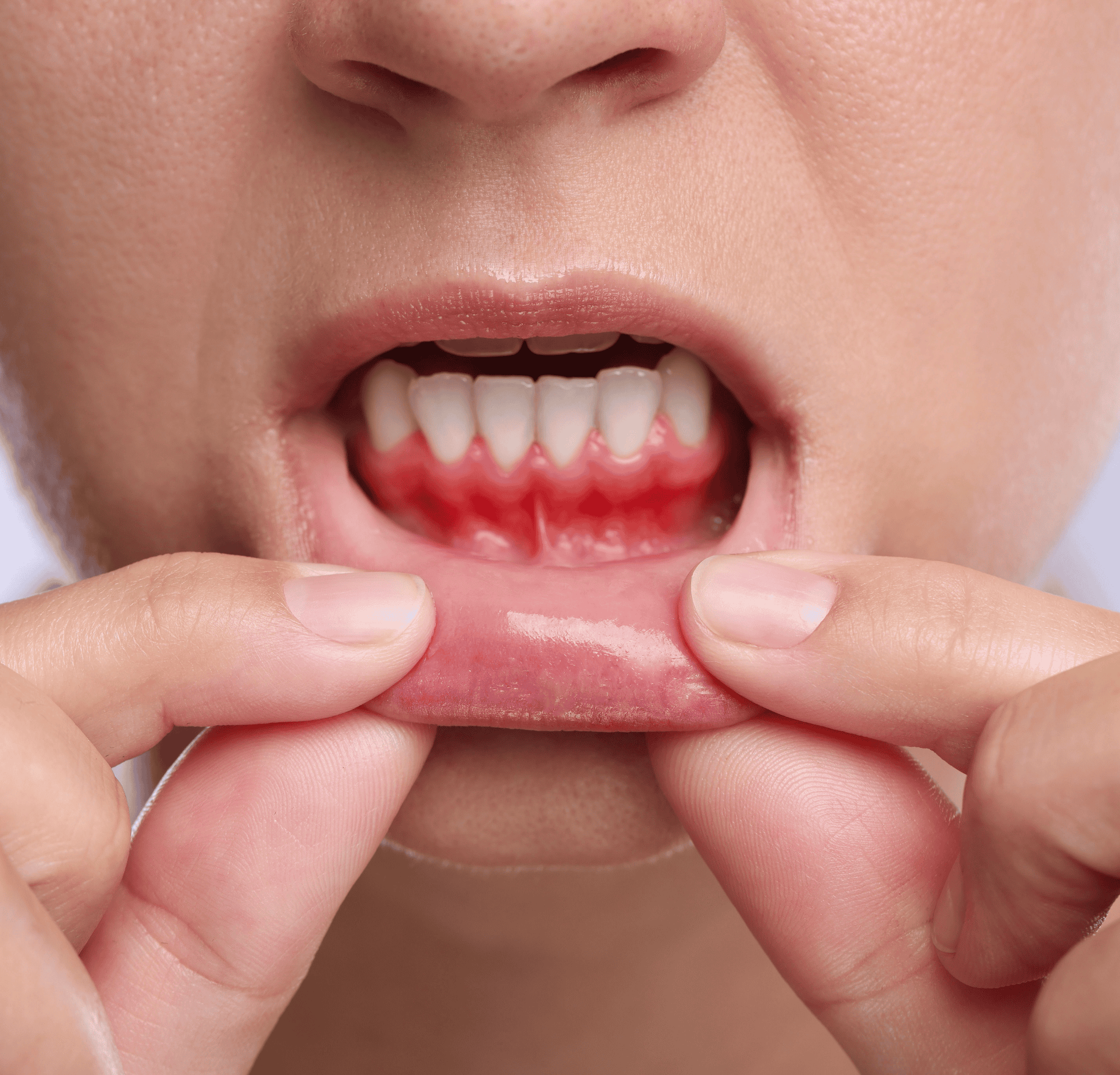
Discovering a flash of red in the sink after brushing your teeth can be jarring. For most, the immediate reaction is a mix of guilt for not flossing or brushing enough.
This concern might’ve led you to search about bleeding gums and cancer, wondering whether a common dental issue could actually be a serious issue.
While bleeding gums and cancer can sometimes be connected, most cases are linked to reversible gum inflammation rather than cancer.
In this guide, we will explore the common causes and identify the specific symptoms that may raise concern about bleeding gums cancer that require a diagnosis.
Eating well through treatment is hard. Get a personalised onco-nutrition plan from Everhope's dietitians.
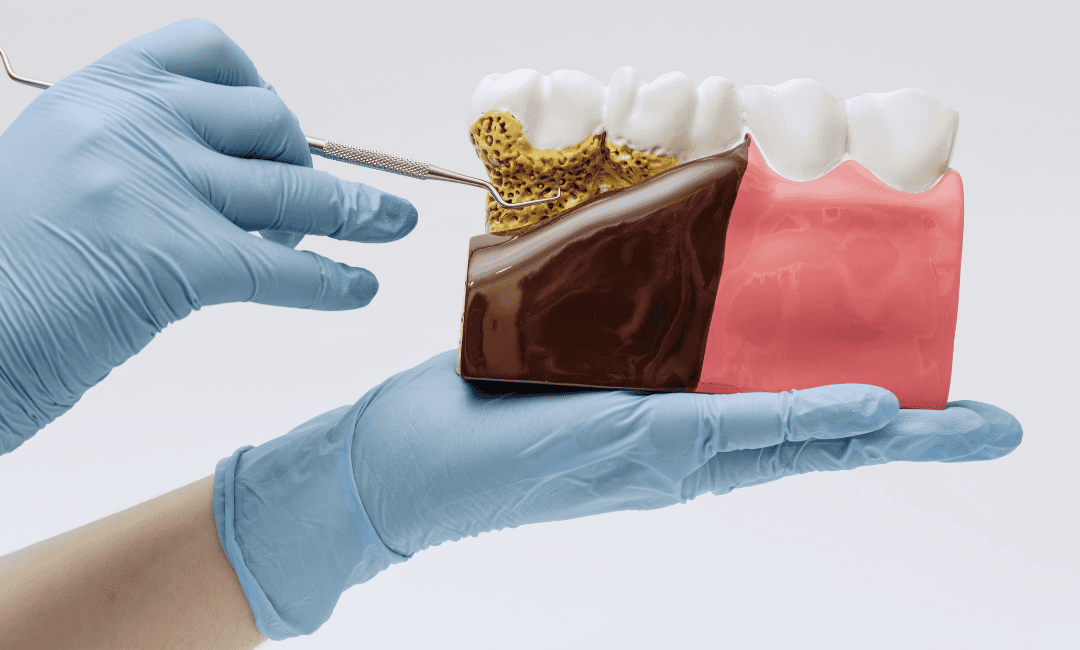
Bleeding gums or gingival haemorrhage happen when the tiny, delicate blood vessels in your gum tissue get weaker. Healthy gums are firm, pink, and act as a tight seal around your teeth.
But when that seal is breached, it tears and bleeds easily. This happens due to bacteria, physical trauma, or internal health changes, which fall into one of two categories: localised dental issues or systemic medical conditions.
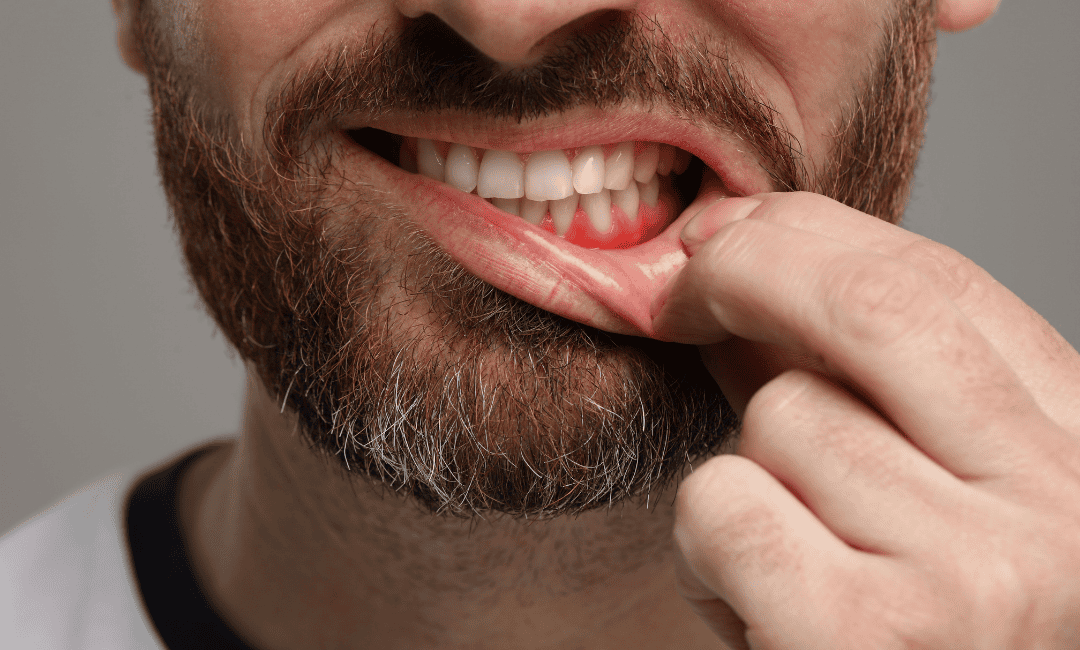
Most of the time, the "why" is right on the surface of your teeth.
Although rare, persistent unexplained bleeding may raise gum bleed cancer risk, especially when accompanied by fatigue, bruising, or recurring infections.
In such cases, this could be a genuine bleeding gums cancer symptom, particularly when associated with non-healing scars.
If you notice the following bleeding gums cancer symptoms, it’s best to schedule a professional evaluation to rule out bleeding gums cancer.
Persistent bleeding that does not improve can sometimes be a bleeding gums sign of cancer. Normal gingivitis usually responds to better flossing and a professional cleaning within 14 days.
If your gums continue to bleed despite excellent hygiene, this is a critical symptom of a systemic issue like leukaemia. It could also be critical if they bleed spontaneously, like when you wake up with blood in your mouth.
Healthy gums have a slightly rough texture, similar to an orange peel. If you notice bleeding gums sign of cancer, be wary of:
| Condition | Description |
|---|---|
| Leukoplakia | Fixed white or grey patches. |
| Erythroplakia | Velvety red patches that bleed easily. |
| Lumps | Any hard, fixed mass or “crusty” area that feels different from the surrounding tissue. |
| Gum Changes in Leukemic Patients | Gums may appear shiny or swollen to the point that they begin to cover the crowns of the teeth. |
While gum disease causes teeth to loosen slowly over the years, malignancy can cause teeth to become loose rapidly. This can sometimes happen in a matter of weeks, as a tumour invades the jawbone.
If your "bite" suddenly feels off or your dentures no longer fit, consider taking that to your pathologist.
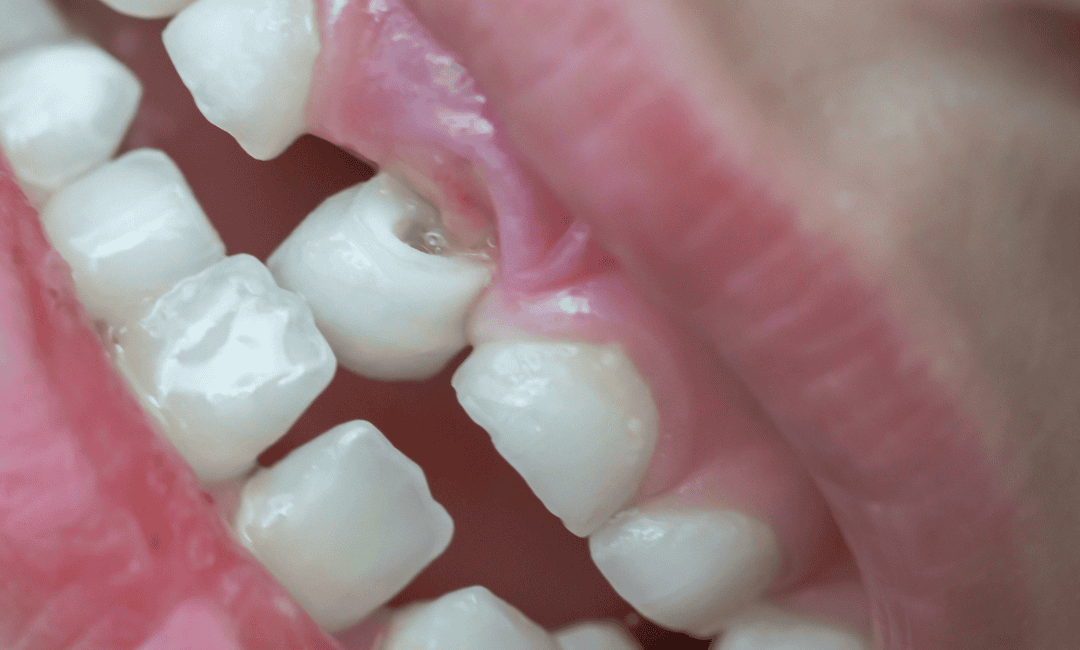
If you have a mouth sore or ulcer that hasn't healed in 14 days, it probably needs a biopsy (a biopsy doesn’t automatically mean cancer).
Additionally, head or neck cancer can press on nerves, leading to unexplained numbness in the lip or chin, or a general, deep, dull ache in the gums.
Moreover, Trismus (difficulty opening the mouth wide) or Dysphagia (trouble swallowing) may also develop.
Understanding how to differentiate bleeding gums due to cancer from routine gum disease helps reduce unnecessary fear while encouraging timely diagnosis of rare bleeding gums cancer cases.
| Feature | Gingivitis or periodontitis | Oral cancer (OSCC) | Leukaemia (systemic) |
|---|---|---|---|
| Onset | Gradual; linked to hygiene | Persistent, localised lesion | Rapid; affects all gums |
| Bleeding | Triggered by brushing | Irregular; occurs at the site | Spontaneous; diffuse oozing |
| Texture | Soft and puffy | Hard (indurated) or crusted | Shiny, "pitted," or overgrown |
| Body signs | None | Localised pain/numbness | Fatigue, fever, easy bruising |
If you are currently undergoing cancer treatment, bleeding gums in cancer patients are known chemotherapy side effects, but it isn't necessarily a sign that the cancer is spreading to your mouth. It can be a result of the treatment's intensity as well.
For example, chemotherapy and radiation target fast-growing cells. Unfortunately, the buccal mucosa lining your mouth and the cells in your bone marrow that make platelets are also fast-growing.
This leads to Oral Mucositis (painful mouth sores) and Thrombocytopenia (low platelet counts).
Moreover, when your platelets are low, your blood cannot "plug" even tiny leaks in the gums, leading to persistent oozing.
If you’re persistently showing these symptoms, consider switching to an extra-soft toothbrush, using alcohol-free rinses, and avoiding spicy foods like chips that can hurt the fragile tissue.
While you may fear bleeding gums cancer, gum bleeding itself does not automatically indicate malignancy. Here are a few stats to provide you with a brief overview of the connection:
If your dentist or pathologist suspects your bleeding gums causes cancer, the process is systematic and designed to get you answers quickly.
The usual diagnostic follows three steps:

For bleeding gums cancer, surgery is the primary treatment. This might involve removing the lesion or, in more advanced cases, a portion of the jaw.
Modern reconstruction techniques are incredible, and often use bone from other parts of the body to restore your smile and ability to eat.
For leukaemia, treatment focuses on systemic chemotherapy to reset the bone marrow's production.
Healthy gums depend on consistent daily care and professional monitoring. Brush gently with a soft-bristled toothbrush and floss regularly. This routine can often stop plaque-related bleeding within two weeks.
If bleeding persists or you notice bleeding gums cancer symptoms, seek evaluation from a specialised oncology team for early detection and proper cancer treatment. Awareness, prevention, and timely checkups are key to lifelong oral health.
Yes, frequently. Many chemotherapy drugs and radiation treatments target fast-growing cells, inadvertently damaging the oral lining and reducing blood-clotting platelets. This makes the gums extremely fragile and causes bleeding gums cancer.
Absolutely. Severe deficiencies in Vitamin C (scurvy) or Vitamin K weaken capillary walls and impair clotting, causing "spongy," purple gums that bleed easily, despite not being cancers like leukaemia.
No. Most bleeding gum cases are simply gingivitis. However, biopsy tests are necessary if bleeding is spontaneous, accompanied by numbness, or if a lesion fails to heal within 14 days.
Products readers use for these side effects
Matched to this article's topics — not bestsellers

PeachX Antioxia Liposomal Glutathione 500mg + Vit C (30 Capsules)
Vitamin C supports gum tissue integrity
₹1,599₹1,999
View product← swipe for more →
Available at the Everhope store · always consult your care team before starting any supplement