Nutrition5 min read
Creatine and Glutamine: A Clear Guide for Cancer Nutrition and Recovery
Dr. Vrundali Kannoth

Preparing meals for a loved one undergoing oncology treatments can feel like a quiet heartbreak.
You spend hours cooking a nutritious meal, only for them to take two tiny bites before pushing the plate away because their stomach turns or everything tastes like metal.
In these challenging moments, typical dietary advice telling you to just eat more protein feels completely out of touch with reality.
When solid foods are rejected, specialised nutrition becomes essential. This is where hydrolysed protein for cancer patients can make a significant difference.
In this article, we’ll discuss what is hydrolysed protein, how it works, and how it can help cancer patients during treatment.
Hydrolysed protein are available at the Everhope store — reviewed for use during cancer care.
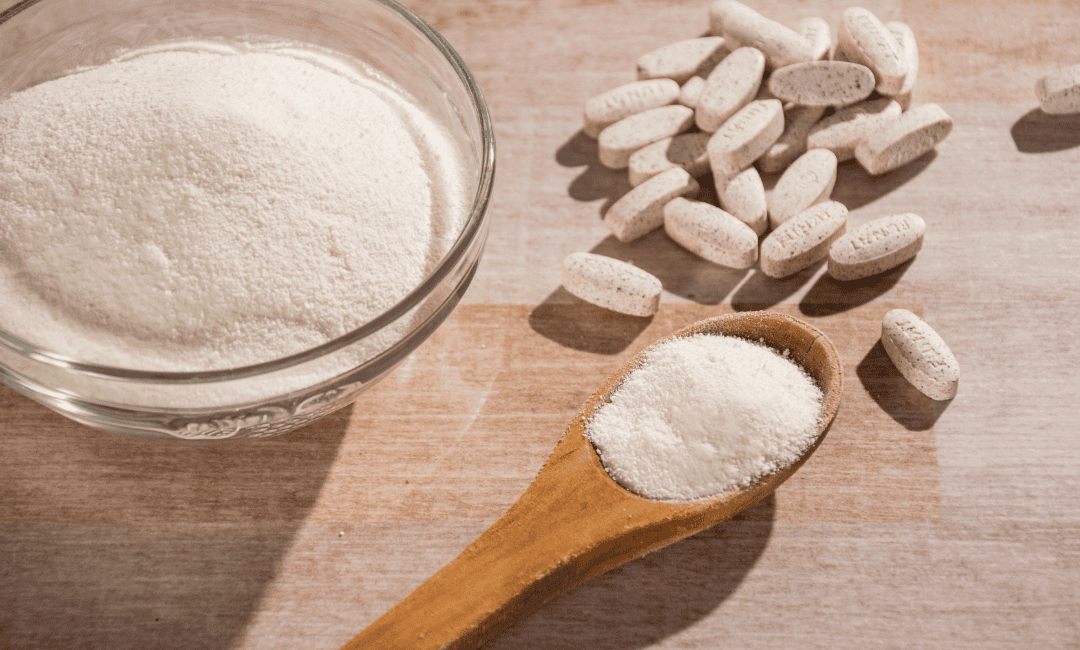
Hydrolysed protein is a regular dietary protein that has already been broken down into easily absorbable amino acids and peptides during manufacturing.
This process uses water and enzymes to copy what your stomach does naturally, resulting in a pre-digested protein. The standard protein molecules found in foods like dals, paneer, or chicken are large and complex. They look like long, tightly folded chains.
For your body to use them, the digestive system must work hard to break these chains into tiny building blocks.
There are two main ways manufacturers split these protein chains:
Under normal conditions, your stomach and intestines produce enzymes to break down whole foods.
However, intensive cancer therapies can temporarily damage the gut lining or reduce the production of your digestive fluids. This makes processing standard proteins highly exhausting.
So, how does hydrolysed protein work to solve this problem? Instead of making your stomach do all the work:
This fast absorption pattern explains why hydrolysed protein is better for individuals with sensitive stomachs.
It creates a rapid rise of amino acids in the blood, sending crucial building blocks to your muscles for tissue repair and preventing weakness.

There are specific differences between protein sources, such as isolate protein vs concentrate protein, and how they’re processed.
Hydrolysed whey comes from milk and is considered an excellent choice for cancer patients. It’s packed with amino acids that signal the body to rebuild muscle tissue. It also helps your body produce antioxidants to manage physical stress.
In case you can’t tolerate dairy or prefer plant-based options, hydrolysed pea protein or soy protein is an excellent alternative. They’re generally gentle on sensitive stomachs and are hypoallergenic.
However, avoid industrial hydrolysed vegetable protein. Its acid processing creates harmful chemical contaminants like 3-MCPD.
| Feature | Hydrolysed whey protein | hydrolysed plant protein | Hydrolysed vegetable protein (industrial) |
|---|---|---|---|
| Primary source | Bovine milk | Soy, pea, or rice | Defatted soy or wheat gluten |
| Processing method | Gentle natural enzymes | Gentle natural enzymes | Hot concentrated acid |
| Sodium content | Very low | Low to moderate | Extremely high |
| Contamination risk | None | None | High risk of industrial impurities |
| Primary use | Clinical nutrition and muscle care | Plant-based medical diets | Industrial food flavor enhancement |
In cancer care settings, hydrolysed protein uses span a wide range of supportive care:

When your body deals with advanced illness, it experiences systemic inflammation that can cause cancer cachexia (muscle wasting).
You would sometimes need up to 1.5 to 2.0 grams of protein per kilogram of body weight daily to maintain your strength.
Achieving this target through solid foods like dals or meats can feel impossible when nausea or a metallic taste hits. Hydrolysed protein powder can help in this case:
Clinical studies show that these peptide formulas help stabilise body weight and significantly improve physical arm and leg muscle mass.
Keeping nutritional levels high helps the body handle clinical therapies smoothly. Research indicates that proper protein support can reduce treatment toxicities and prevent unexpected therapy delays.
Intensive therapies can irritate the sensitive lining of your digestive tract. Pre-digested proteins are non-irritating and help protect the gut barrier, reducing common issues like digestive discomfort.
While these formulas are highly effective, there are a few practical side effects and sensory details you should keep in mind.
When the protein chains break open, the internal parts are exposed to your tongue. This can create a naturally sharp or bitter taste.
High-quality brands resolve this by using gentle natural sweeteners and vanilla flavours to make the liquid pleasant to drink.
Since hydrolysed mixtures contain thousands of tiny, separate particles, they carry a higher concentration balance.
If you drink a large amount too quickly, it can pull excess water into the stomach, causing temporary cramping or loose stools.
The issues resolve quickly when you dilute the mixture with a little more water or space out the sips over an hour.


FM Nutrition Hydrolysed Plant Protein (300 gm)
Hydrolysed plant protein with BCAAs and MCT
₹825₹889
The supplement industry for different types of protein supplements is particularly lax about testing regulations, so finding a safe hydrolysed protein supplement requires a little bit of care.
For instance, independent laboratory testing reveals that many common commercial powders contain trace heavy metals like lead or cadmium. Plants absorb these naturally from contaminated soil.
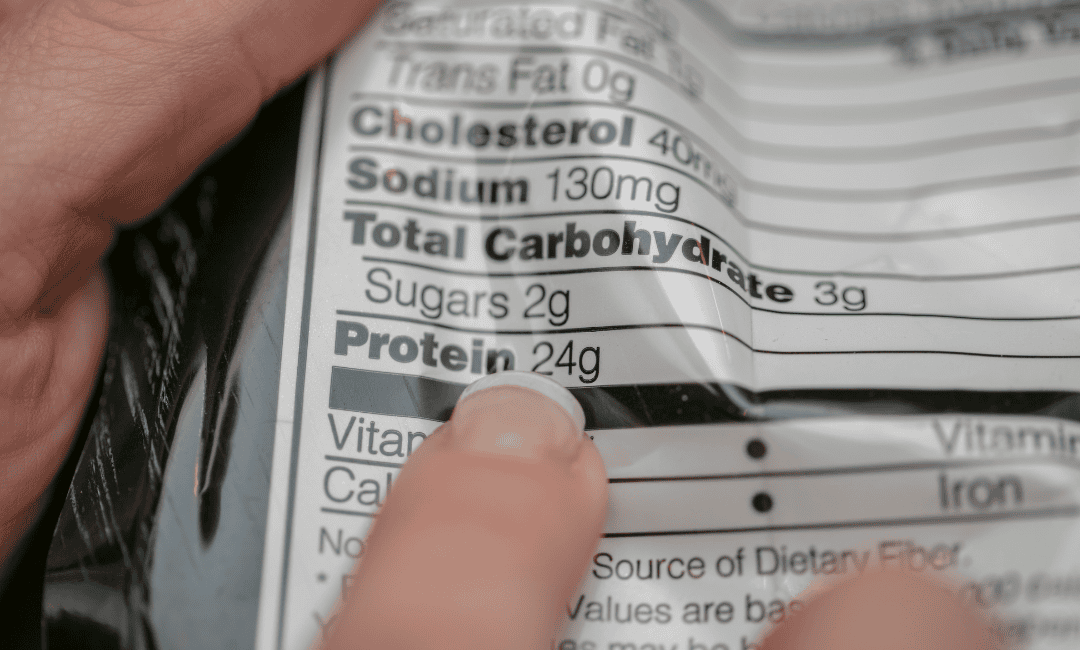
When choosing a high-quality hydrolysed protein powder for cancer patients, use this practical sourcing checklist:
Every individual's care plan is unique. Before adding any supplement to a daily routine, consider asking your clinical nutritionist these questions:
Hydrolysed protein is a useful, scientifically validated resource for supportive cancer care. By converting heavy proteins into easily absorbable fragments, it delivers peptides to the body through the high-capacity PepT1 pathway.
For families managing appetite loss or nausea during cancer care, a proper diet for cancer patients offers a reliable way to sustain recovery.
With dedicated guidance, the Everhope team can support you with specialist consultations, treatment planning, oncology nutrition, and personalised care throughout your journey.