Nutrition5 min read
Spirulina Biotic Powder: Benefits, Nutrition Facts and Its Role in Cancer Nutrition
Dr. Vrundali Kannoth
When people think about nutrients that support overall health, vitamins and minerals usually get all the attention. However, some of the most interesting compounds in our diet are the ones we rarely hear about, such as lycopene.
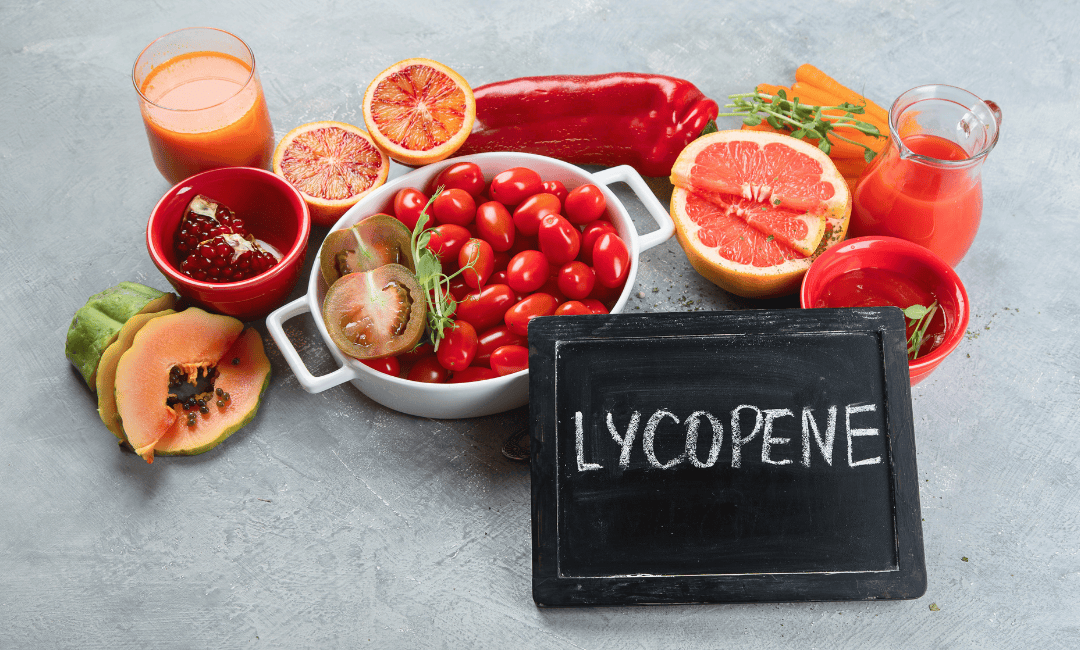
Lycopene is the compound that gives tomatoes, watermelon, and pink grapefruit their deep red colour, and acts as a powerful antioxidant in the body. Moreover, people with higher lycopene intakes are known to have a lower likelihood of developing prostate cancer.
This article walks you through what lycopene is, how it works, its main benefits and uses, its role in cancer wellness, the right dosage, and the safety considerations you should keep in mind.
Lycopene supplements are available at the Everhope store — reviewed for use during cancer care.
Lycopene is a fat-soluble red carotenoid pigment found naturally in many red and pink plants. Its composition is a long, linear hydrocarbon chain, the chemical structure that lets it neutralise unstable molecules called free radicals.
The body cannot make lycopene on its own. You have to get it through food or supplements. Tomatoes and tomato products account for around 80 to 90 percent of dietary lycopene in most Western and Indian diets.

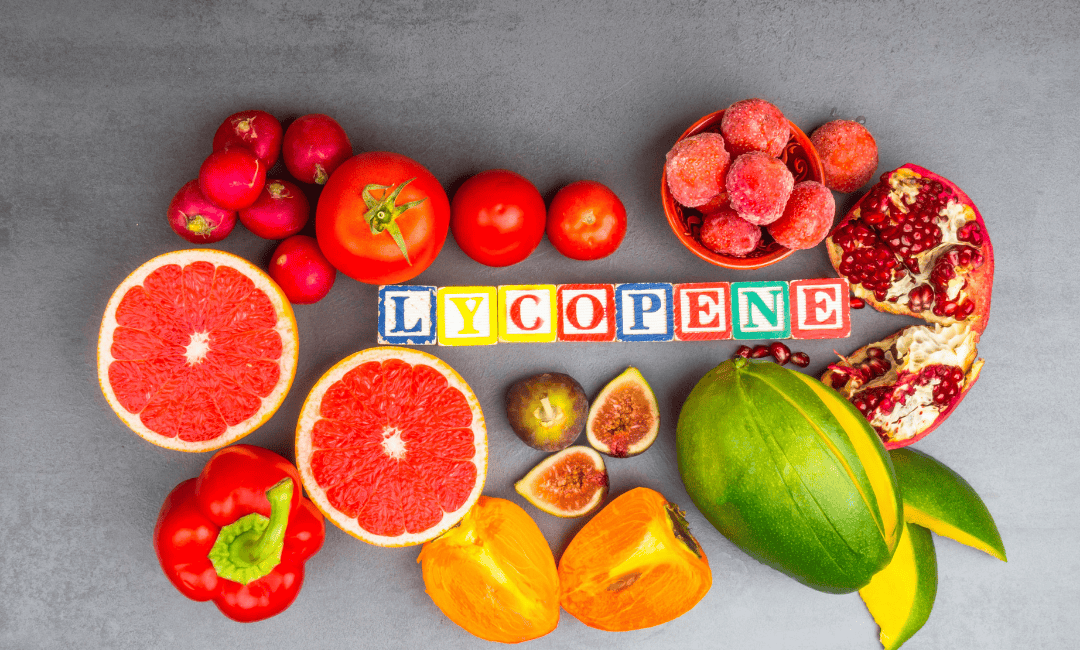
The richest lycopene sources include:
Lycopene absorbs harmful energy from unstable molecules before they damage your cells. It belongs to the same protective family of compounds known as antioxidant supplements.
Your body deals with oxidative stress daily. Pollution, processed foods, sunlight, and even ordinary metabolism create free radicals. The lycopene function includes stepping in and stabilising these molecules. A few of its key actions include:
Among its known lycopene properties, the most important is its singlet-oxygen quenching capacity.
The most consistent lycopene benefits relate to heart health, skin protection, and cellular defence. These benefits build up gradually, since lycopene is not a quick-acting nutrient. Let us understand these advantages:
Several large studies have linked higher lycopene intake with lower risk of stroke and cardiovascular disease. A high lycopene intake was associated with a reduction in stroke risk. Lycopene supports healthy blood vessel function, reduces LDL oxidation, and improves flow-mediated dilation.
The lycopene advantages for everyday cellular protection are tied to its antioxidant properties. By reducing oxidative damage to fats, proteins, and DNA, lycopene supports the body's slow, ongoing repair work.
Among the lesser-known benefits, skin protection stands out. Regular dietary lycopene protects the skin against UV-related oxidative damage, and emerging research suggests modest benefits for bone density in older adults.
The most common lycopene uses today fall into the groups of heart-health support, antioxidant nutrition, and prostate wellness in older men. What is lycopene used for beyond these depends on the person and their needs.
Simple daily dosage/intake between 9 and 21 milligrams is enough to sustain good cardiovascular health. Many people choose food-first approaches, but supplements come into play when diet alone is limited.
This is where lycopene generates the most curiosity. Observational data consistently link higher lycopene intake with lower prostate cancer risk, though randomised trials of supplements have produced mixed results.
Many people take a lycopene supplement as a general antioxidant. For those with low-tomato diets or older adults with reduced food intake, this can help fill a gap. What is lycopene good for in everyday wellness comes down to an antioxidant role.
The relationship between lycopene and cancer is genuinely interesting. Food sources of lycopene prove protective for patients, while lycopene taken in capsule form is not a guaranteed shield.

Adding a lycopene supplement alone is unlikely to make a dramatic difference if the rest of the diet remains poor.
Studies found a meaningful dose-response link between dietary lycopene and reduced prostate cancer risk. Some other studies, however, found no significant decrease in prostate cancer incidence from supplements alone. Both findings matter and are true.
For people already going through cancer treatment, lycopene-rich foods can be part of oncology nutrition plans built around a balanced diet for cancer patients.
While they cannot treat cancer, they may support the immune system and help protect cells from oxidative stress. Due to this, they are usually a part of the holistic immune system and cancer support.
The mechanisms behind how does lycopene prevent cancer at a cellular level include neutralising free radicals before they damage DNA, calming chronic inflammatory signals, and activating natural detoxifying enzymes called phase 2 enzymes.
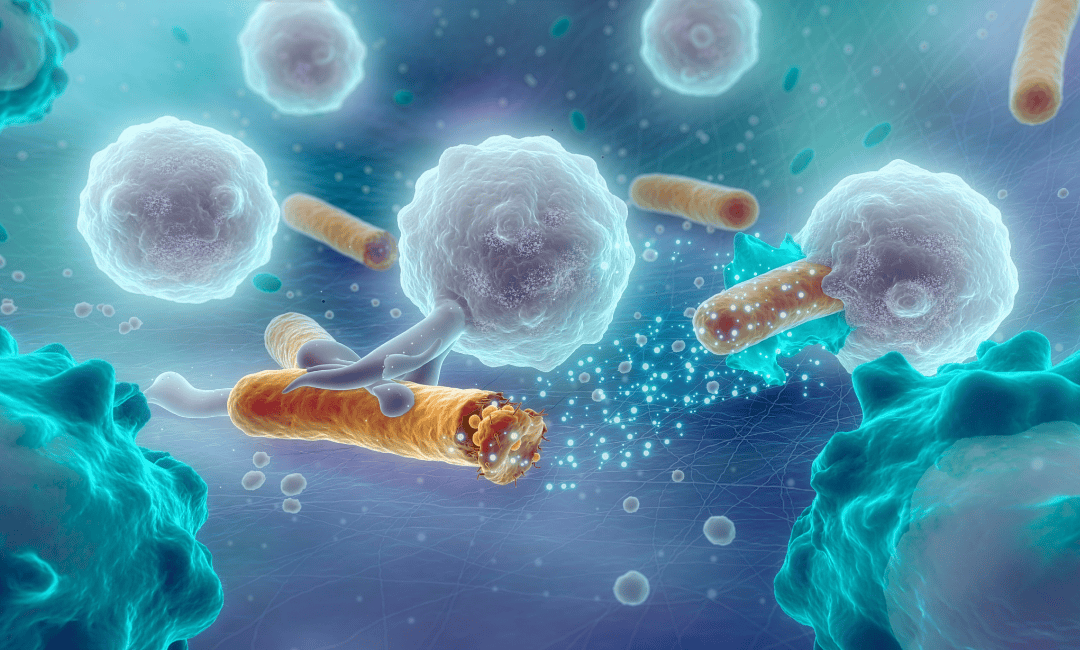
How does lycopene prevent cancer in practice, though, depends on overall lifestyle, including knowing the cancer foods to avoid alongside the protective ones.
There is no official lycopene daily requirement set by major health agencies, but research has narrowed in on approximately 12 milligrams per day.
The right lycopene dosage depends on whether you are aiming for general wellness or addressing a specific concern under medical guidance.
| Intake category | Daily amount | Best suited for |
|---|---|---|
| Average dietary intake | 5-10 mg | Most adults eating tomatoes regularly |
| General wellness target | 8-10 mg | Heart and antioxidant support |
| Upper observed-benefit range | 15-21 mg | Cardiovascular and prostate wellness |
| Supplement studies | 15-30 mg | Research-specific use |
| Observed safe upper level | Up to 75 mg | Not for routine use |

Inlife Lycopene & Green Tea Antioxidant (60 Tablets)
Lycopene, grape seed and green tea extract
₹425₹529
Most lycopene side effects are mild and tied to either very high doses or specific situations like pregnancy. Food-based lycopene is well tolerated, and the main risks come from concentrated supplements taken in large amounts over long periods.
| Concern | What it looks like | Who should be careful |
|---|---|---|
| Lycopenodermia | Orange-yellow skin discolouration | People with very high intake (rare; reversible) |
| Mild digestive upset | Nausea, gas, indigestion | Anyone starting high-dose supplements |
| Pregnancy risk | Possible preterm labour risk | Pregnant individuals (avoid supplements) |
| Blood thinning | Slight effect on platelet aggregation | People on anticoagulants |
| Drug interactions | Possible effects on chemotherapy, statins | Cancer patients and those on multiple medications |
If you or someone you love is going through cancer treatment, the question is about nutrition, hydration, energy, and steady support over months. A handful of tomato-rich meals each week, prepared with a little olive oil, will likely do more good than only supplementing.
Consult your care team about your current diet before adding any pills. Ask whether a serum lycopene or general antioxidant test is appropriate.
If you do proceed, start with a low dose and log your meals and symptoms for your oncologist.
Whole foods like roasted tomatoes or watermelon offer the strongest evidence and gentler support.
At Everhope, our oncologists work together with each patient on these conversations. So, you spend less energy guessing and more time on the choices that truly support healing.
There is no official RDA, but most studies suggest 9 to 21 milligrams per day from food and supplements combined. This range is easily met by tomato-rich meals.
For most adults, yes, especially from diet. Supplement use above 30 mg per day for long stretches should be guided by a clinician, particularly during pregnancy or cancer treatment.
Yes, lycopene may interact with blood thinners, certain chemotherapy drugs, and statins. Always share your supplement list with your oncologist before starting anything new.