
Nutrition5 min read
Spirulina Biotic Powder: Benefits, Nutrition Facts and Its Role in Cancer Nutrition
Dr. Vrundali Kannoth
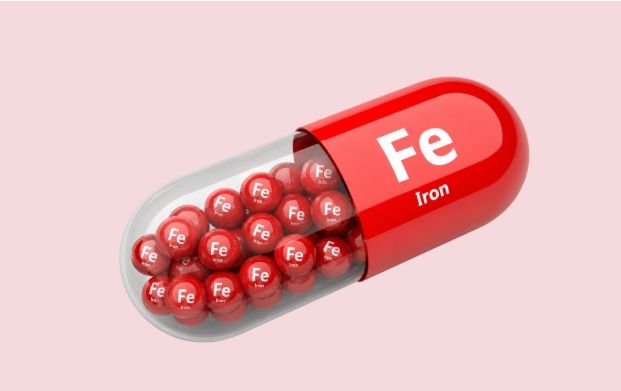
Low hemoglobin often points to iron deficiency, a common condition that can leave people feeling tired, weak, and short of breath. Iron supplements are one of the main treatments because they help restore iron stores, support red blood cell production, and gradually improve hemoglobin levels when diet alone is not enough.
Haemoglobin is the protein in red blood cells that carries oxygen around the body. You need enough haemoglobin to produce energy, keep your organs functioning, and remain vibrant and alive. Normal haemoglobin ranges are usually 13–17 g/dL13–17 \, g/dL13–17g/dL for men and 12–15 g/dL12–15 \, g/dL12–15g/dL for women, but these values can vary slightly depending on laboratory standards.
Low haemoglobin is often associated with anaemia. Anaemia is a condition in which the body doesn’t have enough healthy red blood cells or enough iron to create them. The most common worldwide etiology is iron deficiency, and iron supplementation for low haemoglobin is an important part of management. It affects the synthesis of haemoglobin and causes fatigue and a decrease in oxygen supply to the tissues.
There are several underlying causes of low haemoglobin:
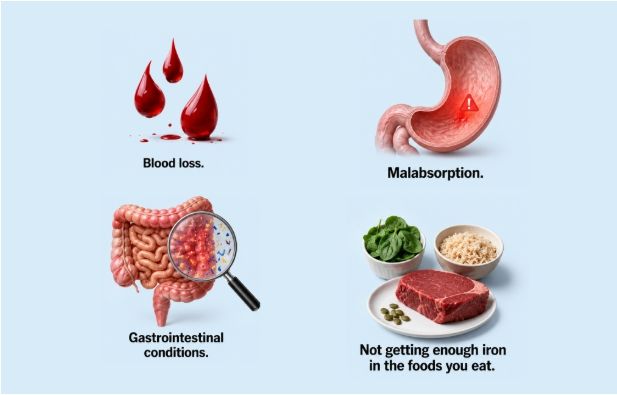
Symptoms are common and include fatigue, weakness, pale skin, shortness of breath, dizziness and decreased exercise tolerance. In such cases, doctors usually suggest dietary correction along with supplements for low haemoglobin.
Cancer patients are especially vulnerable to low haemoglobin from chemotherapy, radiation and inflammation-induced anaemia. Chemotherapy can suppress bone marrow function and decrease red blood cell production.
Routine monitoring through complete blood count (CBC) and ferritin testing is essential. If iron deficiency is identified, iron supplements for low haemoglobin for cancer may be prescribed under oncologist supervision. Early detection helps prevent treatment delays and improves tolerance to therapy.
Different forms of iron supplementation are available, and selection depends on severity, tolerance, and clinical condition:
For mild to moderate anaemia, iron pills for low haemoglobin are typically first-line. However, in oncology settings or severe deficiency, IV iron may be preferred due to better absorption and a quicker response.
Correcting iron deficiency offers multiple physiological benefits:
Using iron supplements to treat anaemia helps restore haemoglobin levels and improve overall quality of life. Many patients also benefit from combined haemoglobin supplements that include folic acid and vitamin B12 for synergistic effects.
In cancer care, maintaining haemoglobin levels is critical for treatment continuity and recovery. Oncologists often recommend taking iron for low haemoglobin alongside other supportive therapies to reduce fatigue and improve treatment tolerance.
Iron therapy can reduce the need for blood transfusions and support better outcomes, especially when integrated with nutrition care plans.
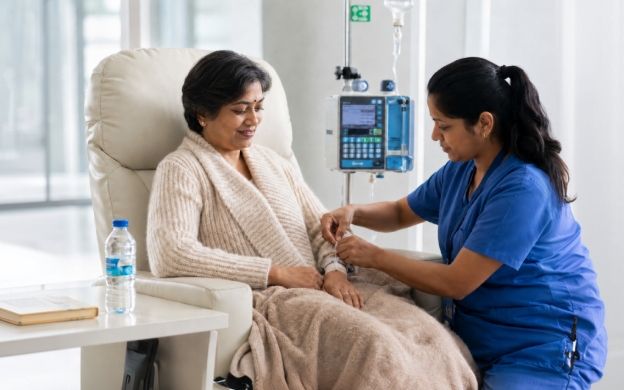
Proper usage improves absorption and minimises side effects:
Common side effects include constipation, nausea, and dark stools. Patients using tablets for low haemoglobin should be counselled on adherence and side effect management.
For clinical practice, iron tablets for low Hb should be prescribed based on lab values and patient tolerance, not generalised dosing.
The formulation is chosen based on bioavailability and tolerability:
The Best Iron Supplements To Increase Haemoglobin: What To Look For
The best iron supplement for low haemoglobin is one that the patient can tolerate consistently while achieving clinical improvement. In selected cases, clinicians may also consider adjunct antioxidant support, particularly formulations containing key micronutrients—to help optimize erythropoiesis and overall hematological recovery.
Management of anaemia in cancer patients requires a multidisciplinary approach. Oncologists may combine iron therapy with erythropoiesis-stimulating agents (ESAs) or transfusions when needed.
Dietary strategies, oral supplementation, and IV iron all play roles depending on disease stage and treatment plan. While iron supplements for low haemoglobin are effective, they must be carefully monitored to avoid complications such as iron overload.
It is important to note that while iron helps increase haemoglobin, inappropriate use or confusion with supplements to lower haemoglobin can lead to clinical mismanagement, highlighting the need for medical guidance.
An oncology nutrition team ensures that iron therapy is integrated with dietary intake and overall treatment goals. Post-chemotherapy, patients often require structured nutrition plans, including tablets for increasing haemoglobin and protein-rich diets.
This approach helps rebuild red blood cells, improve strength, and support recovery while minimising treatment interruptions.
Medical consultation is necessary if:
Self-treatment with iron tablets for low haemoglobin without proper diagnosis can mask serious conditions. Regular monitoring ensures safe and effective correction.
Low haemoglobin is commonly caused by iron deficiency and requires timely intervention. Iron supplements for low haemoglobin play a central role in treatment, especially when combined with dietary strategies and clinical monitoring.
In cancer care, structured supplementation and nutrition support significantly improve patient outcomes and quality of life.
Yes, in cases of iron deficiency anaemia, appropriate use of iron supplements for low haemoglobin can fully restore levels if the underlying cause is addressed.
Iron is best absorbed on an empty stomach, ideally in the morning with vitamin C. However, it can be taken after meals if gastric discomfort occurs.
Many do, especially if they develop anaemia. Oncologists may prescribe iron supplements for low haemoglobin for cancer based on lab findings.
Typically, haemoglobin begins to improve within 2–4 weeks, but full correction may take 2–3 months depending on severity and adherence.