Nutrition5 min read
Spirulina Biotic Powder: Benefits, Nutrition Facts and Its Role in Cancer Nutrition
Dr. Vrundali Kannoth
When you're focused on your health, especially during or after cancer treatment, it's natural to look for ways to support your body beyond the basics.
While no supplement can replace a balanced diet or medical care, some nutrients play an important role in helping the body function at its best. Selenium is one of them.
Selenium is a trace mineral that your body cannot produce on its own. However, it is essential for antioxidant defence, thyroid function, and even cancer care. Many people do not get enough of it through diet alone.
In fact, selenium deficiency remains a concern in several parts of the world, particularly in regions where soil selenium levels are naturally low.
This article covers selenium supplement benefits, how to use it safely, the best forms available, and what the evidence says about its role in cancer care.
Selenium is a trace mineral found naturally in soil, water, and certain foods. In the body, it works primarily through selenoproteins, a family of proteins that depend on selenium to function.
A selenium supplement steps in when food sources fall short. Soil depletion, dietary restrictions, illness, and ageing all affect how much selenium the body receives and retains. Supplementation helps restore adequate levels in a reliable and measurable way.
A selenium supplement is available as tablets, capsules, and liquid drops, as both an organic and an inorganic compound.
Selenium supplement are available at the Everhope store — reviewed for use during cancer care.
The selenium supplement health benefits help beyond a single system. Selenium is involved in dozens of biological processes, and its effects are felt from the immune system to the thyroid to the cardiovascular system. Let us understand them better:
The thyroid gland contains the highest concentration of selenium in the body. It relies on selenium-dependent enzymes to convert the inactive thyroid hormone T4 into its active form, T3.
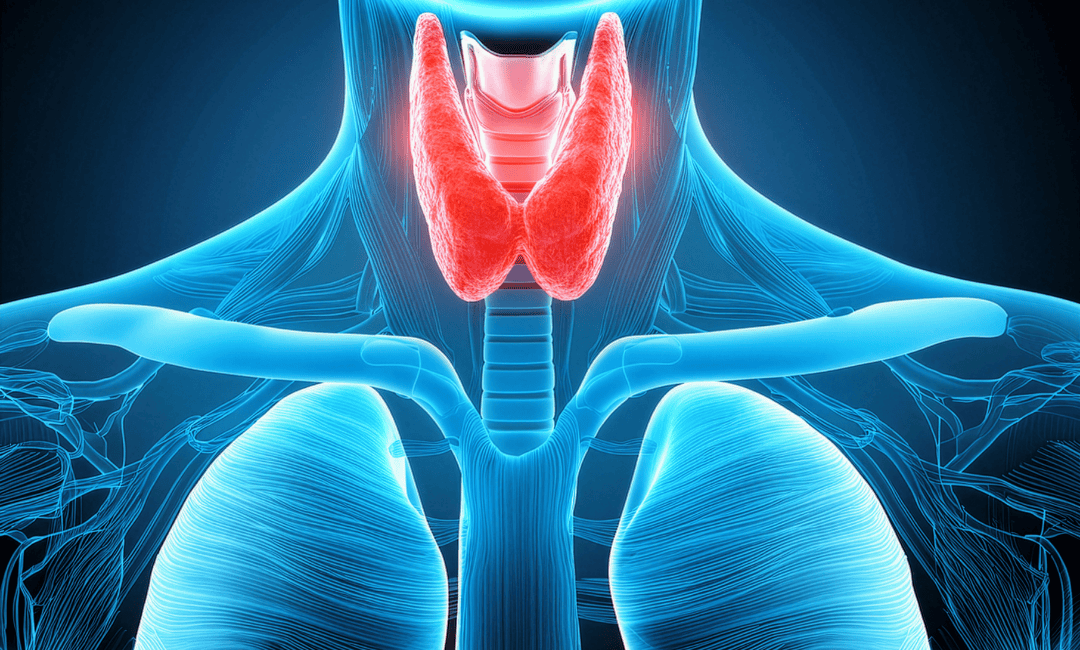
Without sufficient selenium, this conversion is impaired, which leads to fatigue, weight changes, and reduced metabolic function. For patients on cancer treatment, thyroid disruption can compound existing fatigue and recovery challenges.
Selenium supports the production and activity of immune cells, including T-lymphocytes and natural killer cells. A well-functioning immune system is essential for everyone, and especially important for patients whose immunity has been affected by chemotherapy or radiotherapy.
Research published in Nutrients found that selenium deficiency is associated with impaired immune responses and increased susceptibility to infection. Restoring adequate selenium levels can help the body maintain its defences during and after treatment.
Selenium reduces oxidative stress within blood vessels, effectively cutting the risk of cardiovascular disease.
By supporting glutathione peroxidase, one of the body's most important antioxidant enzymes, selenium helps protect vascular tissue from oxidative damage.
The uses of selenium supplements in everyday wellness are broad and practical. Beyond clinical applications, selenium supports energy, resilience, and the body's ability to repair itself.
In men, selenium is concentrated in the testes and plays a role in sperm motility and fertility. In women, it contributes to ovarian function and healthy pregnancy outcomes.
For patients undergoing cancer treatment, preserving reproductive health is an important quality-of-life consideration where nutritional support can help.
Selenium contributes to the health of skin and hair by protecting cells from oxidative damage and supporting keratin production.

Treatment-related hair thinning and skin sensitivity are common side effects of chemotherapy. A selenium food supplement may offer some gentle support to these tissues during recovery.
Selenium activates glutathione peroxidase enzymes that neutralise harmful free radicals, molecules that damage cells, accelerate ageing, and contribute to chronic illness.
This is why antioxidant supplements containing selenium are among the most clinically studied in oncology nutrition.
The relationship between selenium and cancer has been a subject of serious scientific interest for decades.
The connection between the cancer patients' well-being and nutritional support is increasingly well-evidenced but requires careful management under an oncologist’s guidance.
Clark et. al. (1996) found that selenium supplementation was associated with a significant reduction in the incidence of several cancers in a high-risk population.

The evidence continues to support selenium's importance in cancer nutritional care. The relationship between nutrition and cancer is complex, but selenium's DNA repair and anti-inflammatory properties are central to this connection.
Chemotherapy and radiotherapy increase oxidative stress within the body. This contributes to inflammation and cellular damage that extends well beyond the cancer itself.
Selenium helps reduce this burden and support the body's capacity to recover between treatment cycles.
Some oncology teams incorporate selenium as part of broader nutritional plans for patients who are selenium-deficient at the time of diagnosis.
The immune system and cancer relationship is well established. Selenium's role in maintaining immune cell activity makes it particularly relevant for patients whose immunity is suppressed during treatment.
Recovery after cancer treatment is a process that unfolds over months. A well-considered diet for cancer patients should include attention to micronutrient levels, including selenium.
Patients who have undergone surgery involving the digestive tract may absorb nutrients less efficiently, making supplementation particularly valuable.
The form of selenium used in a supplement directly affects how well the body absorbs it and where it ends up being used. For patients managing serious illness, choosing the right selenium supplement can make a meaningful difference.
Organic forms, such as selenomethionine, are generally better absorbed and retained by the body. An organic selenium supplement is typically the first recommendation in clinical nutrition.
Inorganic forms like sodium selenite and sodium selenate are less expensive and still effective, but they are more readily excreted and require higher doses to achieve the same tissue levels.
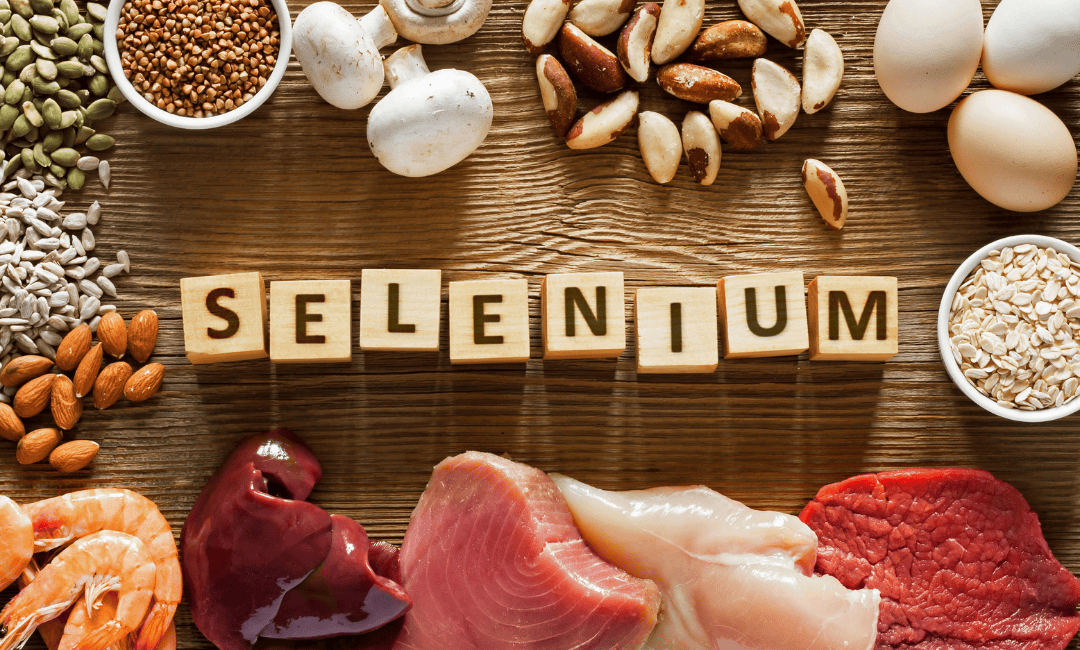
For those who prefer a whole-food approach, natural selenium sources include Brazil nuts (one of the richest dietary sources), sunflower seeds, tuna, eggs, and mushrooms.
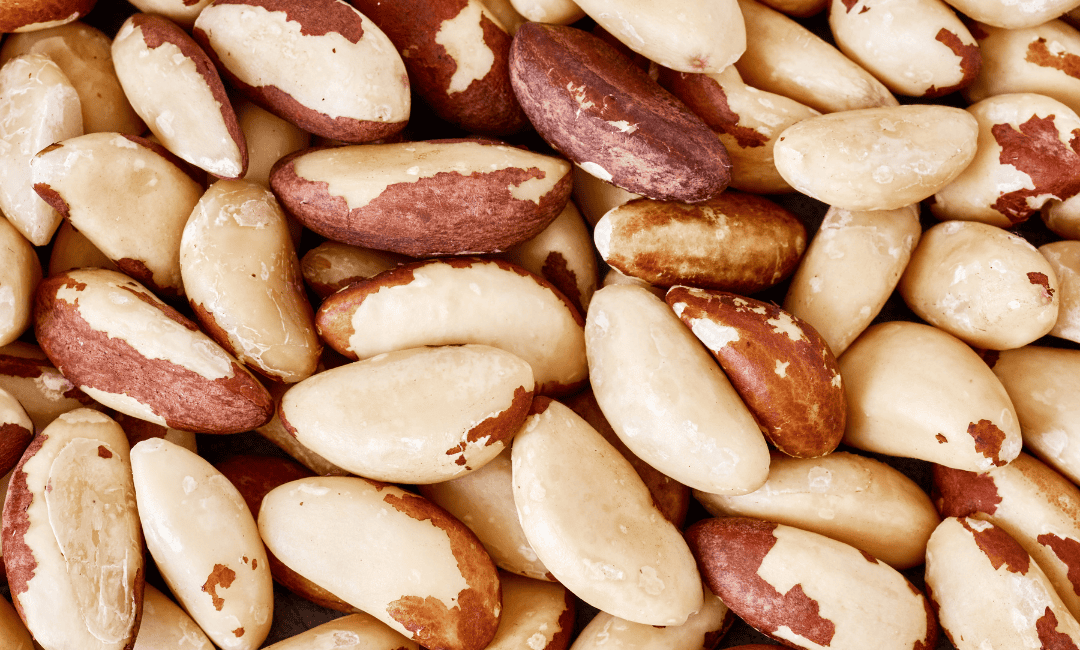
A plant based selenium supplement derived from selenised yeast is a good option for those following vegetarian or vegan diets. Understanding foods that prevent cancer naturally includes attention to selenium-rich choices.
Choosing the right form of selenium supplement depends on individual health goals, dietary habits, and any existing conditions. Here is a comparison:
| Form | Source/type | Absorption | Best suited for |
|---|---|---|---|
| Selenomethionine | Organic supplement; found in selenised yeast | High | General supplementation and cancer nutritional support |
| Selenocysteine | Natural selenium supplement; from animal proteins | Very high | Best for those with sufficient protein intake |
| Sodium selenite | Inorganic; common in supplements | Moderate | Cost-effective; often used in medical settings |
| Sodium selenate | Inorganic; less common | Moderate | Research and clinical use |
| Plant-based supplement | Selenium dietary supplement / whole food | Variable | Mild supplementation; suitable for vegans and plant-based diets |
The recommended dietary allowance of selenium for adults is 55 mcg per day, though therapeutic doses in clinical settings may be higher under supervision.
The table below provides guidance on when to take selenium supplement and recommended intakes across different groups:
| Group | Recommended daily intake | Upper safe limit | When to take selenium supplement? |
|---|---|---|---|
| Healthy adults | 55 mcg/day | 400 mcg/day | With a meal, ideally in the morning |
| Pregnant women | 60 mcg/day | 400 mcg/day | With breakfast |
| Breastfeeding women | 70 mcg/day | 400 mcg/day | With breakfast |
| Cancer patients | As advised by the oncologist | Not to exceed 400 mcg without clinical supervision | With food - morning or evening as tolerated |

Inlife Iron & Folic Complex with Zinc & Selenium (60 Tablets)
Chelated iron and folic acid with zinc and selenium
₹355₹439
A selenium supplement is safe and well-tolerated when taken within recommended limits. The side effects from appropriate doses are rare, but it is helpful to understand what to watch for:
Selenosis (selenium toxicity) develops from prolonged high-dose supplementation. Early signs include a garlic-like odour on the breath, brittle nails, hair thinning, gastrointestinal discomfort, and fatigue.
These effects are unlikely at standard supplement doses. Checking labels for total selenium content is always wise.
Some research has raised questions about whether antioxidant supplements, including selenium, might reduce the effectiveness of certain chemotherapy drugs that generate oxidative stress.
This is, however, not a reason to avoid selenium entirely. Approach it thoughtfully and with proper guidance. For many patients, addressing a genuine selenium deficiency is more important than this theoretical concern.
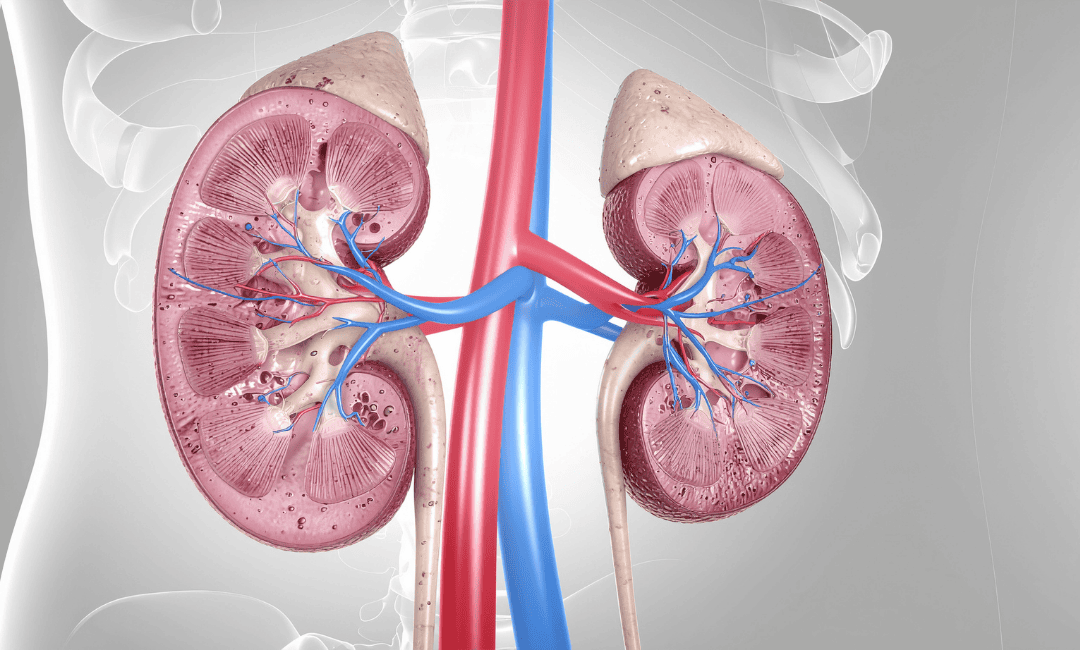
People with kidney disease should exercise caution, as impaired kidneys may not excrete excess selenium efficiently.
Those with autoimmune thyroid conditions should consult an oncologist or specialist, as selenium can influence thyroid antibody levels. Pregnant and breastfeeding women should stay within established safe limits and seek professional advice.
Selenium rarely appears on wellness lists or social media feeds. Even so, it is responsible for protecting cells, regulating immunity, supporting the thyroid, and maintaining the antioxidant systems.
For those managing cancer, the demands on the body during treatment are enormous. The emerging research on oncology nutrition continues to refine our understanding of how micronutrients like selenium support treatment and recovery.
The practical next step, for anyone considering a selenium supplement, is to start with a baseline blood test to understand current levels.
At Everhope Oncology, our experts ensure that every patient's care plan, including nutritional supplementation, is tailored to their individual needs and treatment stage.
Yes, when taken at or below the recommended daily allowance of 55 mcg, a selenium supplement is considered safe for long-term use. Regular blood monitoring is advisable for those taking higher therapeutic doses over extended periods to ensure levels remain within a safe range.
Selenium plays a direct role in immune cell production and function. Addressing a genuine deficiency can meaningfully improve immune responses. However, a selenium supplement beyond optimal levels does not continue to improve immunity.
A selenium supplement can interact with certain chemotherapy agents, anticoagulants, and thyroid medications. It is important to inform your oncologist of all supplements being taken. For patients in active cancer treatment, supplementation decisions should always be made with clinical oversight.