
Nutrition5 min read
Spirulina Biotic Powder: Benefits, Nutrition Facts and Its Role in Cancer Nutrition
Dr. Vrundali Kannoth

Most people have heard of vitamin K, but far fewer know about vitamin K2, the form that does some of the body's most essential behind-the-scenes work.
It directs calcium to bones and supports immunity, cell health, and cardiovascular function. For anyone navigating cancer treatment, this is an important nutrient.
Many people are running low on K2 without knowing it, and during periods of illness or recovery, that gap can widen.
This article covers vitamin K2 benefits, the different forms available, how to supplement safely, and what the evidence says about its role in supporting cancer care.
Vitamin K2 is often confused with vitamin K1. Both are members of the vitamin K family, but they behave very differently in the body.
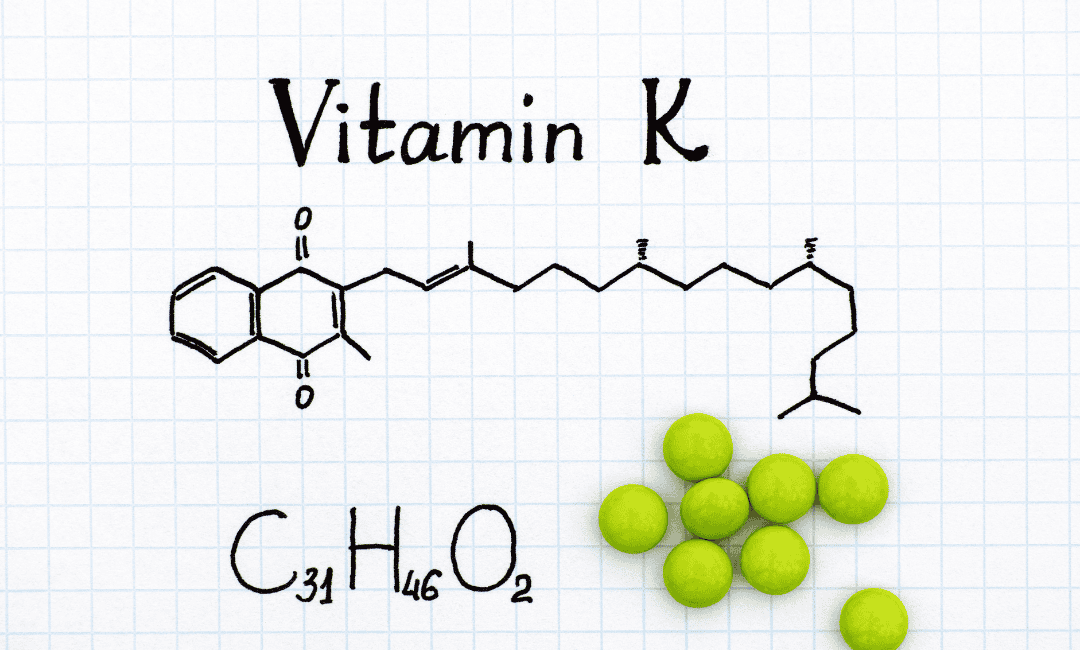
Vitamin K1 is primarily involved in blood clotting. K2 activates proteins that regulate where calcium goes, and that distinction has consequences for bone and heart health.
K2 activates the protein “osteocalcin”, which binds calcium into bone tissue, as well as matrix Gla protein (MGP), which prevents calcium from depositing in arteries.
Without adequate K2, calcium can end up weakening bones and stiffening blood vessels simultaneously.
What does vitamin K2 do beyond calcium, then? It also:
Vitamin K2 are available at the Everhope store — reviewed for use during cancer care.
The two most significant types are MK-4 and MK-7, which differ in how long they remain active in the body and how the body absorbs them.
MK-7, also known as vitamin K2 7, has a significantly longer half-life. It stays active for much longer after a single dose and is more effective at reaching tissues throughout the body.
The table below summarises the main forms of K2, their characteristics, and what they are best suited for:
| Form | Key features | Half-life/duration | Best suited for |
|---|---|---|---|
| MK-4 | Short-acting form; found in animal products; supports bone mineralisation | Short / a few hours | Bone health; frequently used in clinical doses in Japan |
| MK-7 (vitamin K2 7) | Long-acting; derived from natto (fermented soy); superior bioavailability | Long / up to 72 hours; stable blood levels | Daily supplementation; cardiovascular and bone support; most common supplement form |
| MK-4 + MK-7 combined | Broad-spectrum coverage; addresses both immediate and long-term needs | Variable | Comprehensive bone and vascular protection, particularly in older adults |
| MK-9 to MK-13 | Longer-chain menaquinones; found in certain fermented foods | Very long | Less studied; may be relevant in gut microbiome research |
The benefits of Vitamin K2 span several body systems, which is partly what makes this nutrient so clinically interesting.
It works alongside vitamins D3 and A, calcium, and magnesium to support a network of functions that affect long-term health significantly. Here are its top benefits:
This is where the evidence for K2 is strongest. Activating osteocalcin, it helps bind calcium into bone matrix, directly increasing bone mineral density.
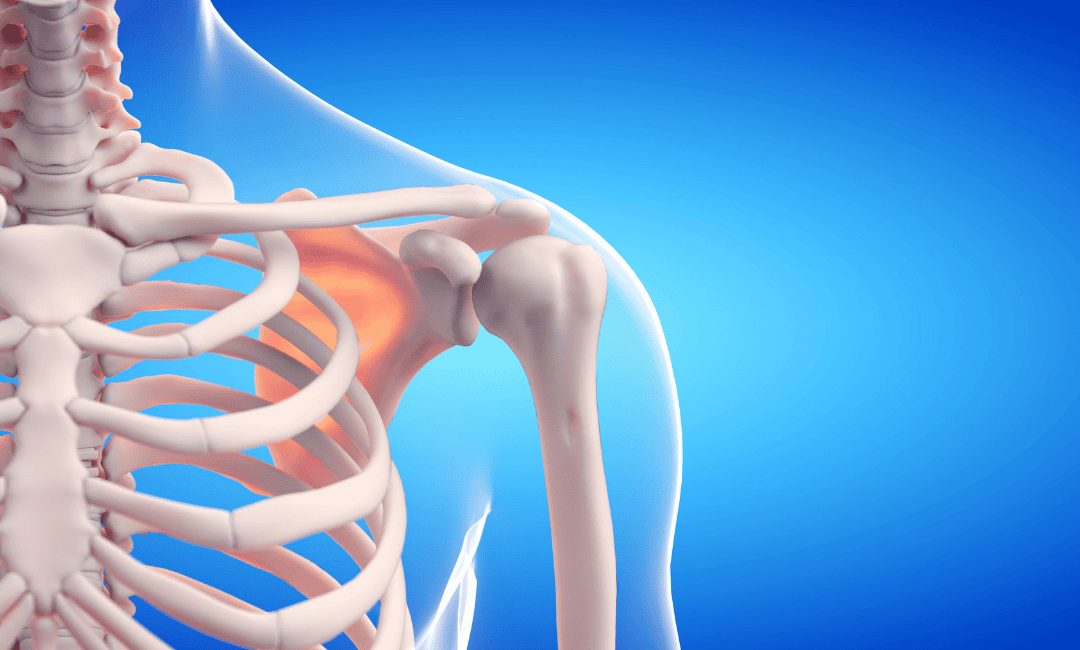
A meta-analysis published in Osteoporosis International found that MK-4 supplementation significantly reduced fracture risk in postmenopausal women.
For patients who have received chemotherapy or corticosteroids, treatments known to affect bone density, this is particularly relevant.
Vitamin K2 works best for bone health when paired with vitamin D and cancer recovery support. Vitamin D3 increases calcium absorption, while K2 ensures that calcium reaches bone rather than soft tissue.
The matrix Gla protein, activated by K2, inhibits arterial calcification. When arterial walls accumulate calcium, they increase the risk of cardiovascular disease. By keeping MGP active, K2 helps arteries remain flexible and functional.
A study from the Journal of Nutrition found that high dietary intake of K2 was associated with a significant reduction in risk of dying from cardiovascular disease.
Patients managing cancer often face cardiovascular side effects from treatment; nutritional support that addresses this risk carries real clinical value.
K2 has been shown to modulate immune cell activity, influencing the production of cytokines that regulate inflammation.
Chronic inflammation is a known driver of cancer progression and treatment complications. By helping to reduce inflammatory signalling, K2 may contribute to a more balanced immune environment during and after treatment.
The connection between the immune system and cancer is well established. Supporting immune regulation through targeted nutritional interventions, including K2, is an area of active interest in oncology.
K2 also plays a role in mitochondrial function. This is why some research links adequate K2 levels to reduced cancer fatigue, one of the most debilitating and persistent effects of cancer treatment.
While K2 alone is not a treatment for fatigue, its contribution to cellular energy metabolism is a meaningful part of a broader nutritional approach.
The research on how vitamin K2 affects cancer is not yet at the level of established clinical protocol. However, several studies point to meaningful effects in cancer prevention, treatment support, and recovery.
Multiple in vitro studies have explored vitamin K2's ability to inhibit the growth of cancer cell lines, including hepatocellular, leukaemia, and lung cancer cells.
Research published in the International Journal of Molecular Medicine found that MK-4 induced apoptosis (programmed cell death) in leukaemia cell lines.
These findings are early-stage, but they support the rationale for examining K2 more closely in clinical oncology settings.
This is a greatly studied area of K2 in oncology. A randomised controlled trial found that high-dose MK-4 supplementation significantly reduced the recurrence of hepatocellular carcinoma in patients following surgical treatment.
Maintaining nutritional status during cancer treatment is one of the most important aspects of care. Oncology nutrition specialists increasingly incorporate K2 into individualised care plans, particularly for patients at risk of bone loss, cardiovascular strain, or immune suppression.

Understanding nutrition for cancer means looking at how each nutrient contributes to the body's ability to tolerate treatment, recover between cycles, and rebuild strength afterwards. Vitamin K2 fits meaningfully into that picture.
Vitamin K2 contributes to the body's oxidative defence system, which is why it is often considered alongside antioxidant supplements in cancer nutritional care.
Chemotherapy and radiotherapy generate significant oxidative stress; nutritional strategies that help the body manage this burden can support recovery and quality of life.
Vitamin K2 sources in the diet are relatively limited compared to vitamin K1, which is abundant in leafy greens. This is one reason why deficiency is common, and why supplementation is often necessary, particularly during periods of illness or recovery.
The richest dietary source is natto, a traditional Japanese fermented soy food which contains extremely high levels of MK-7.

Other sources include:
Many foods that prevent cancer, such as fermented vegetables and quality dairy, also happen to be good sources of vitamin K2.
For most people, dietary intake alone is insufficient to meet the levels associated with clinical benefit. This is particularly true during cancer treatment, when appetite, digestion, and nutrient absorption are often compromised.
When selecting a vitamin K2 supplement, MK-7 is the recommended form due to its superior bioavailability and longer duration of action. Look for supplements that specify the MK-7 form, ideally combined with vitamin D3 for enhanced bone and immune benefit.
Pairing K2 with a quality vitamin C supplement can further support immune function and tissue repair during recovery. As with any supplement, quality and source matter here as well. Opt for products that are third-party tested and free of unnecessary additives.
Vitamin K2 7 uses are broad and well-evidenced, from bone mineralisation to arterial health to immune support.
Understanding the specific function of vitamin K2-7, its long half-life allowing stable blood levels from a single daily dose, helps explain why it has become the standard form in clinical supplementation.
K2 dosage guidance varies depending on health goals and individual circumstances. Vitamin K2 does not have an established upper tolerable intake level from food sources. The table below provides practical guidance on dosage and timing:
| Group | Suggested daily intake | Best time to take | Notes |
|---|---|---|---|
| Healthy adults | 90-120 mcg/day (MK-7) | Best time to take vitamin K2 is with a fat-containing meal | Vitamin K2 is fat-soluble, always take with food containing healthy fat |
| Bone health support | 100-200 mcg/day (MK-7) | Morning or evening meal; consistency matters | Often combined with vitamin D3 for optimal calcium direction |
| Cancer patients (supportive) | As directed by the oncologist | With the main meal of the day | Always confirm with an oncologist before starting; avoid during anticoagulant therapy |
| Older adults (60+) | 100-200 mcg/day; review individually | With a meal containing fat (e.g., olive oil, nuts) | Blood-clotting medications require an oncologist's review first |
K2 has a strong safety profile at recommended doses. Serious adverse effects are rare. Here are some common considerations:
| Concern | Details | What to do |
|---|---|---|
| K2 side effects | Rare at normal doses; occasionally mild digestive discomfort | Take with food; reduce dose if symptoms persist |
| Vitamin K2-7 side effects | Very rare; headache or mild nausea reported in some studies at high doses | Stay within recommended range; consult oncologist if uncertain |
| Vitamin K2 deficiency symptoms | Weak bones, arterial calcification, easy bruising, poor wound healing | Blood test to assess K2 status; seek nutritional assessment |
Starting with a blood test is the most practical first step. It gives a clearer picture of individual needs rather than relying on general population estimates.
For patients who have experienced bone loss during treatment, cardiovascular side effects, or persistent fatigue, vitamin K2 7 uses extend across all three of those recovery priorities.
It is not a single-purpose supplement, which is why it deserves a place in cancer nutritional planning.
Conversations about supplementation during cancer treatment can sometimes feel complicated or uncertain. At Everhope Oncology, we work to help patients navigate these decisions with clarity and confidence.
Yes, K2 combines particularly well with vitamin D3, magnesium, and calcium, forming a synergistic bone-support combination. Speak to your oncologist for a detailed overview.
Direct testing of K2 in blood is not routinely available, but functional markers can indicate K2 status indirectly. Ask an oncologist or nutritional specialist about whether testing is appropriate for your situation.
Yes. MK-7 derived from fermented chickpeas is fully vegan and widely available. This form offers the same long half-life and bioavailability as standard MK-7, making it a suitable option for those following plant-based diets.