Symptoms5 min read
Folic Acid Supplement: Importance, Benefits and Deficiency Symptoms
Dr. Vrundali Kannoth

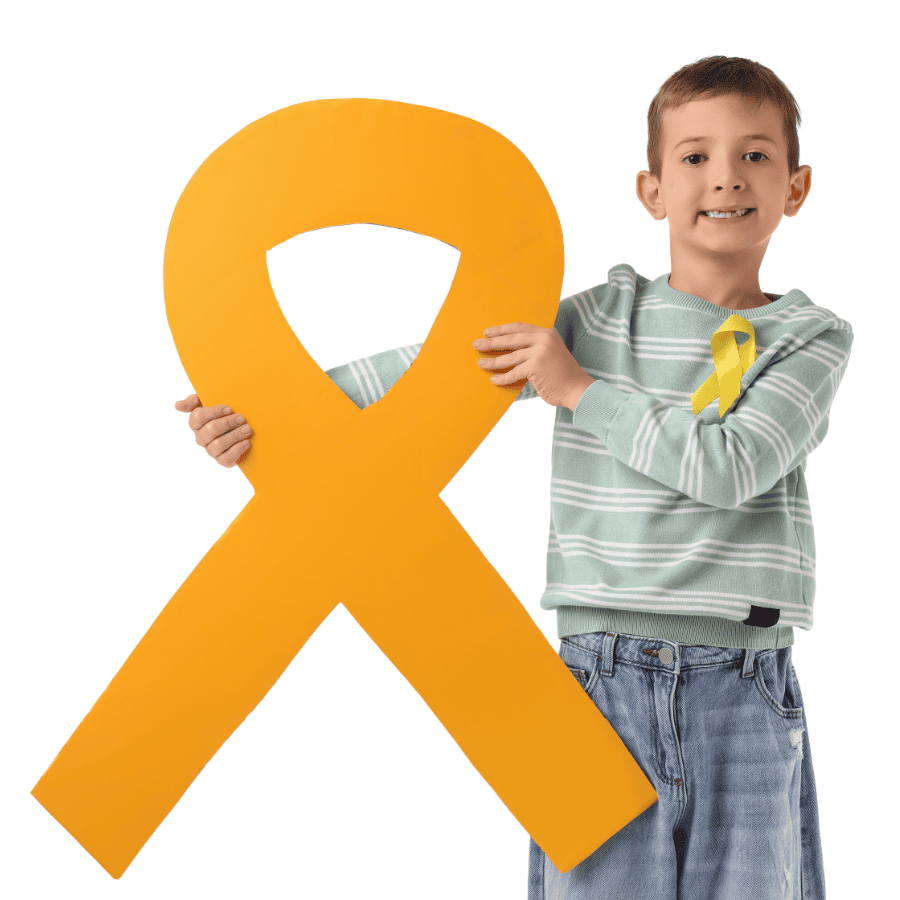
The moment a parent hears their child might have cancer, the world stops spinning, and nothing else matters beyond getting answers and finding the best care possible.
Perhaps your child has been unusually tired for weeks, or you've noticed unexplained bruising that prompted the paediatrician to order blood tests.
Understanding what is childhood cancer helps you navigate the frightening journey ahead while maintaining hope rooted in knowledge rather than fear driven by uncertainty.
Let’s explain what childhood cancers are, how they differ from adult cancers, and what treatment approaches offer children the best possible outcomes today.
Childhood cancer refers to malignancies developing in children from birth through adolescence (typically defined as under 19 years old).
Unlike adult cancers that often result from environmental exposures and lifestyle factors accumulated over decades, childhood cancers typically arise from random genetic errors during rapid growth and development.
According to data, 50,000-70,000 new childhood cancer cases are diagnosed annually in India.
The encouraging news is that overall childhood cancer survival rates have improved dramatically, from less than 30% in the 1960s to approximately 80-90% today in countries with advanced healthcare systems.

The types of childhood cancer differ substantially from adult malignancies, with children rarely developing the common adult cancers like lung, breast, or colon cancer.
Blood cancer represents the most common form of childhood cancer, accounting for approximately 30-35% of all paediatric malignancies.
Acute Lymphoblastic Leukaemia (ALL): The single most common childhood cancer, representing 75-80% of childhood leukaemias. It affects white blood cells called lymphocytes, causing them to multiply uncontrollably and crowd out normal blood cells.
Key characteristics include:
Acute Myeloid Leukaemia (AML): Less common than ALL, representing 15-20% of childhood leukaemias. AML affects myeloid cells that normally develop into various blood cell types. It requires more intensive treatment than ALL and has slightly lower cure rates.
Central nervous system tumours represent the second most common form of childhood cancer, accounting for 20-25% of paediatric malignancies.
Brain cancer types in children include:
Lymphoma represents 10-15% of childhood cancers, developing in lymph nodes and lymphatic tissue throughout the body.
This type develops from immature nerve cells, typically arising in the adrenal glands or along the spine.
Neuroblastoma characteristics:
Sarcoma types account for approximately 10-15% of childhood cancers combined.
Bone cancer in children:
Soft tissue sarcoma types:
Other soft tissue sarcomas:
Include fibrosarcoma, synovial sarcoma, and various other rare types.
List of rare childhood cancers includes:
Childhood cancer symptoms often mimic common childhood illnesses initially, making early detection challenging and causing diagnostic delays.
General warning signs of childhood cancer include:
Specific symptoms by cancer type:
Leukaemia symptoms:
Lymphoma symptoms:
Childhood cancer causes differ fundamentally from adult cancer causes, with most paediatric malignancies arising from random errors during normal cell division.
Known causes of cancer in childhood include:
1. Random genetic mutations: Most childhood cancers result from spontaneous genetic mutation cancer occurring during rapid growth and development.
2. Inherited genetic syndromes: Is cancer genetic? In 5-10% of childhood cancers, yes. Inherited conditions increase cancer risk substantially:
3. Prenatal exposures:
Some maternal exposures during pregnancy may slightly increase risk:
What doesn't cause childhood cancer:
Unlike adult cancers, childhood malignancies are not caused by:
Cancer risk factors for childhood cancer are largely unmodifiable, meaning parents shouldn't blame themselves or feel they could have prevented their child's diagnosis through different choices.
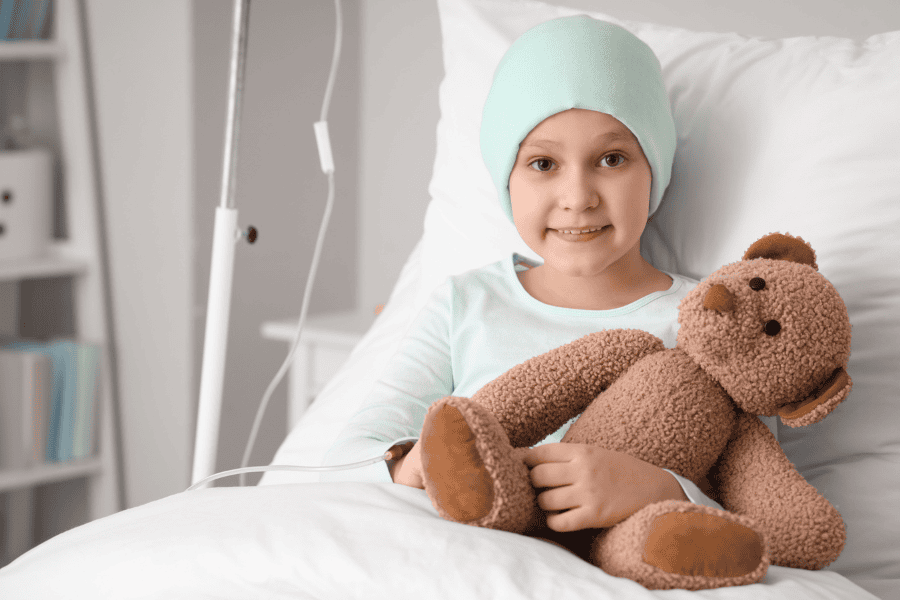
Childhood cancer diagnosis requires a systematic evaluation that combines clinical assessment, imaging, laboratory tests, and tissue analysis.
Paediatricians assess symptom duration and progression, family history of cancer or genetic conditions, prior radiation or chemotherapy exposure, and congenital abnormalities.
Physical examination includes careful palpation for masses, lymph node assessment, and neurological evaluation.
Blood tests revealing cancer symptoms: Complete blood count detects abnormal white cells, anaemia, or low platelets suggesting leukaemia. Blood chemistry panels assess organ function. Tumour markers (AFP, beta-hCG, LDH) help diagnose specific cancer types.
Imaging studies:
Tissue diagnosis: Bone marrow aspiration and biopsy can help diagnose leukaemia. Moreover, a surgical biopsy provides tissue for solid tumour diagnosis.
Molecular and genetic testing: Cytogenetic analysis identifies chromosomal abnormalities. Molecular testing detects specific gene mutations. Flow cytometry characterises cell types. These tests guide treatment selection and predict outcomes.
Childhood cancer treatments have evolved dramatically, with protocols specifically designed for children's unique needs.
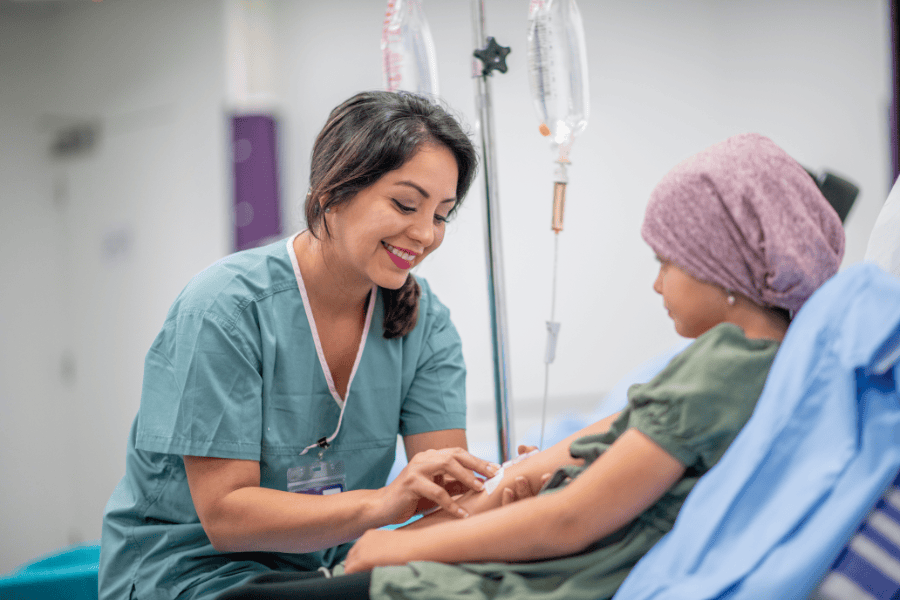
Systemic cancer treatment using drugs that kill rapidly dividing cells represents the backbone of most childhood cancer therapy.
Chemotherapy principles in children:
Surgical removal of solid tumours when feasible improves outcomes substantially.
Surgical approaches:
External beam radiation treats many childhood cancers while minimising long-term effects on growing tissues.
Modern radiation techniques:
Newer treatments targeting specific cancer characteristics or harnessing immune responses show tremendous promise.
Targeted therapy examples:
Immunotherapy approaches:
Treating childhood cancer effectively requires a specialised team of doctors, nurses, therapists, and support staff all working together at dedicated paediatric cancer centres.
Children treated at these specialised centres have significantly better outcomes than those treated at general hospitals, because the teams have specific expertise in childhood cancers, which behave very differently from adult cancers.
Childhood cancer represents one of the most devastating diagnoses any family can face, yet tremendous progress in treatment offers genuine hope for a cure in the majority of cases.
While childhood cancer prevention isn't completely possible given that most cases arise from random genetic events, early recognition of signs of childhood cancer and treatment with specialised paediatric oncology centres is crucial.
For specialised evaluation, accurate diagnosis, and treatment of childhood cancers, connect with experienced paediatric oncology specialists at Everhope - equipped to provide the expert multidisciplinary care children deserve.